

Understanding LPRD: The Silent Culprit Behind That Nagging Cough

We’ve all had a cough now and then. But what if yours just doesn’t go away? You’ve tried antibiotics, cough syrups, steam inhalation — and still, that dry, irritating cough returns, especially at night or early in the morning.
If this sounds familiar, you might be dealing with a condition called Laryngopharyngeal Reflux Disease (LPRD) — also known as silent reflux.
What Is LPRD?
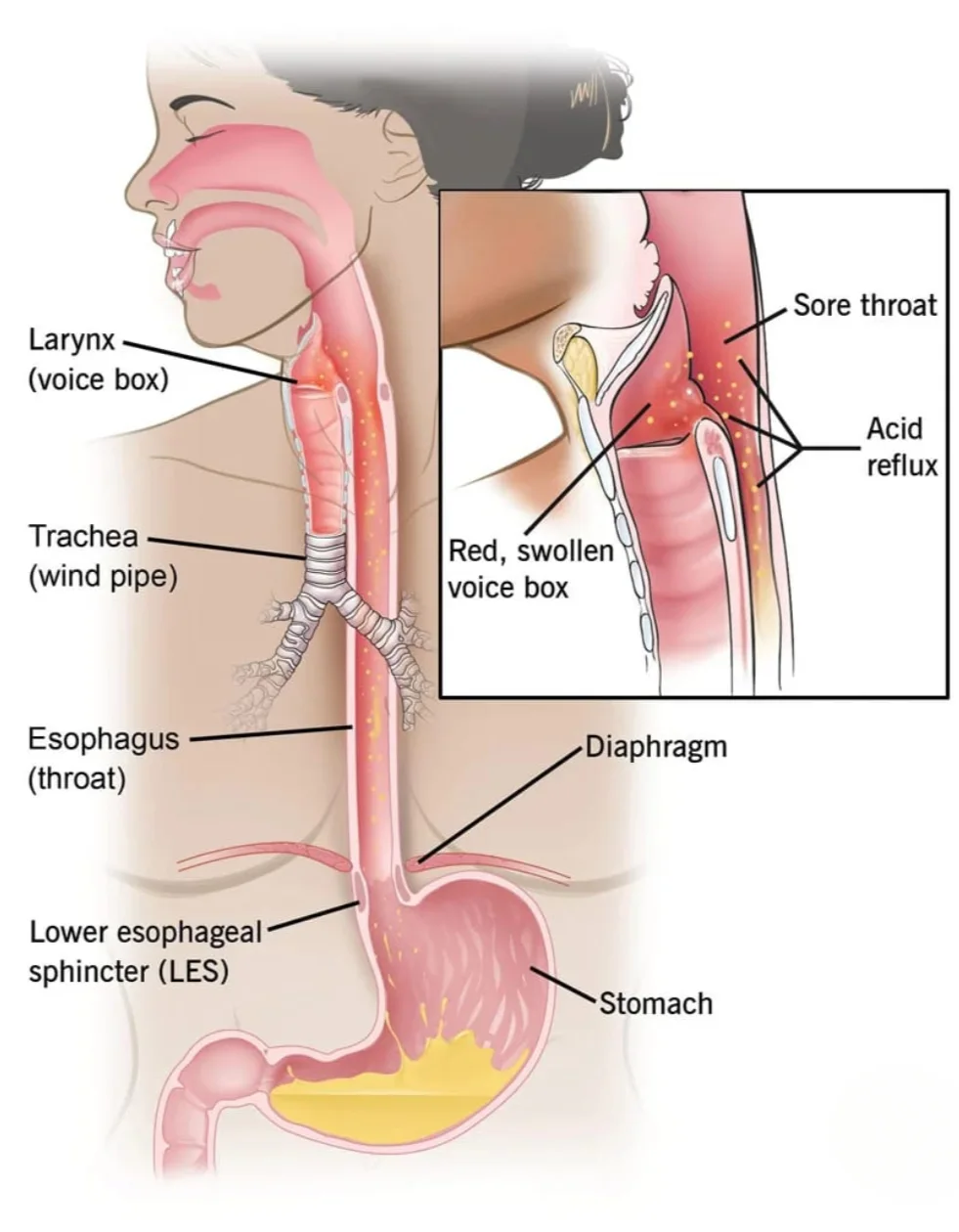
LPRD is a type of acid reflux — but unlike GERD, it doesn’t cause heartburn.
Instead, stomach acid silently travels upwards, irritating your throat, voice box, and even your lungs — causing persistent cough and other confusing symptoms.
Common Symptoms of LPRD

Even without heartburn, LPRD can cause:
- 🔄 Dry, persistent cough — especially at night or after meals
- 🔊 Frequent throat clearing or hoarseness
- 💧 Post-nasal drip sensation
- 😮💨 Breathing issues or wheezing
- 💤 Worsening symptoms when lying down
How Does LPRD Affect the Lungs?
When acid or enzymes reach your airways, they can:
- Irritate the voice box and upper air passages
- Cause microaspiration — tiny droplets entering the lungs
- Trigger chronic inflammation and dry cough
- Mimic conditions like asthma or bronchitis
Who's at Risk?

You may be more prone to LPRD if you:
- Eat late at night or lie down soon after meals
- Are overweight or physically inactive
- Snore or have untreated nasal blockages
- Consume alcohol, smoke, or excess caffeine
- Have irregular routines or high stress levels

How Is It Diagnosed?
LPRD is often missed.
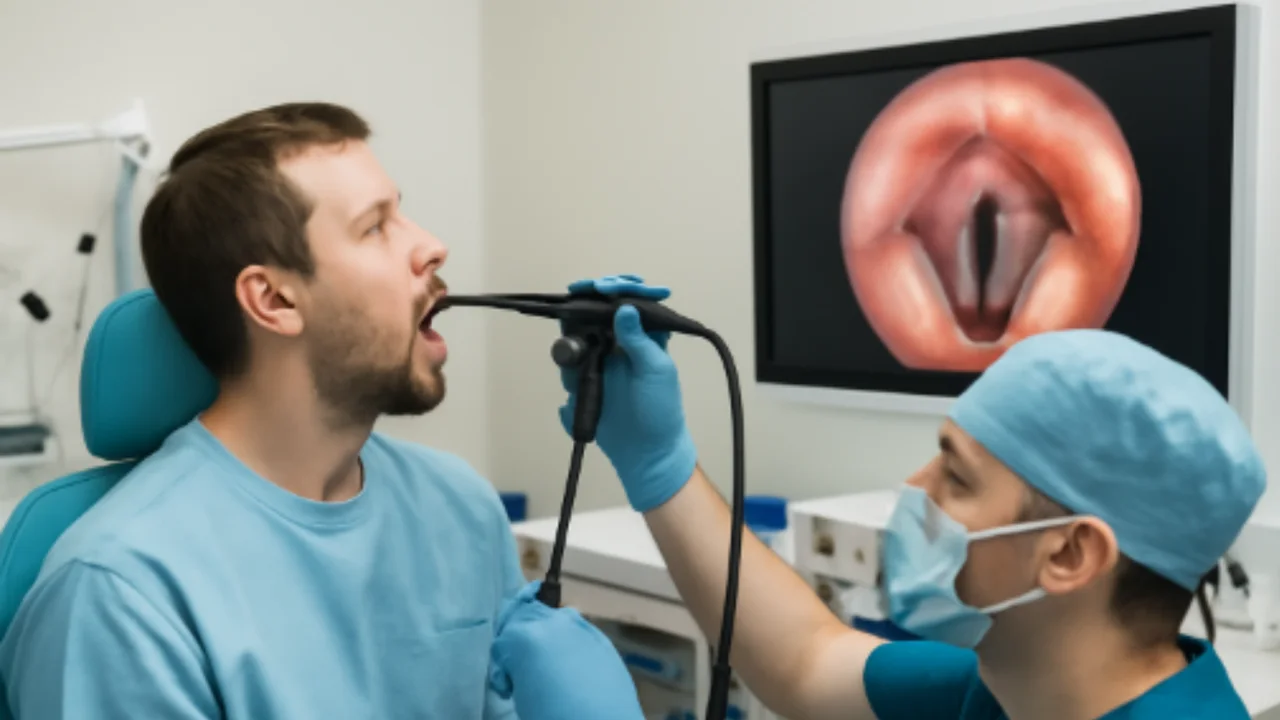
It doesn’t show up on X-rays or sputum tests. Many patients go from doctor to doctor without answers.
✅ But with a nasal endoscopy or throat exam by an ENT specialist, signs of reflux-related irritation can be spotted easily.
What Can You Do About It?
The good news: LPRD is very treatable once identified.
Lifestyle Tips That Work:
✔️ Have dinner 2–3 hours before bedtime
✔️ Avoid spicy, oily, and acidic foods
✔️ Reduce intake of caffeine, chocolates, and alcohol
✔️ Sleep with your head slightly elevated
✔️ Lose weight if required
✔️ Avoid tight clothing post meals
Medical Options:
Your ENT may recommend:
- Acid-reducing medications
- Alginate-based syrups
- Prokinetic agents to improve digestion
- Treating nasal/sinus issues that worsen reflux
Why Ignoring It Can Be Risky
Chronic cough affects:
- Your sleep quality
- Productivity at work
- Daily comfort and confidence
Left untreated, LPRD can:
- Damage your vocal cords
- Aggravate asthma
- Cause repeated respiratory infections
When to See a Doctor
If you’ve had an unexplained cough for over 3 weeks, especially one that:
- Worsens at night
- Flares up after meals
📌 It’s time to consult an ENT specialist — and finally get relief.
🩺 Dr. Prashanth R. Reddy
ENT & Endoscopic Sinus and Skull Base SurgeonHelping patients breathe, speak, and live better by diagnosing what others often miss.
📍 Consulting at leading hospitals across Bangalore🔍 Specialist in nasal blocks, snoring, and chronic cough evaluation
Still coughing?It might not be your lungs.
✅ Book your appointment today to breathe, sleep, and speak better. 📍 Clinic Timings – Book Your Consultation
📅 Book a Consultation Today
👨⚕️ Dr. Prashanth R. Reddy
ENT & Endoscopic Sinus Surgeon
📍 Dr Prashanth R Reddy | ENT Doctor – Sarjapura Road -
🕐 11:00 AM – 1:00 PM (Weekdays)
🕐 1:30 PM – 3:00 PM (Saturday)
📍 Dr Prashanth Reddy | ENT Specialist – Koramangala-
🕐 5:00 PM – 7:00 PM (Monday–Saturday)
🕐 11:00 AM – 1:00 PM (Sunday)
General patient education. An individual consultation is needed to assess your symptoms and treatment options.