
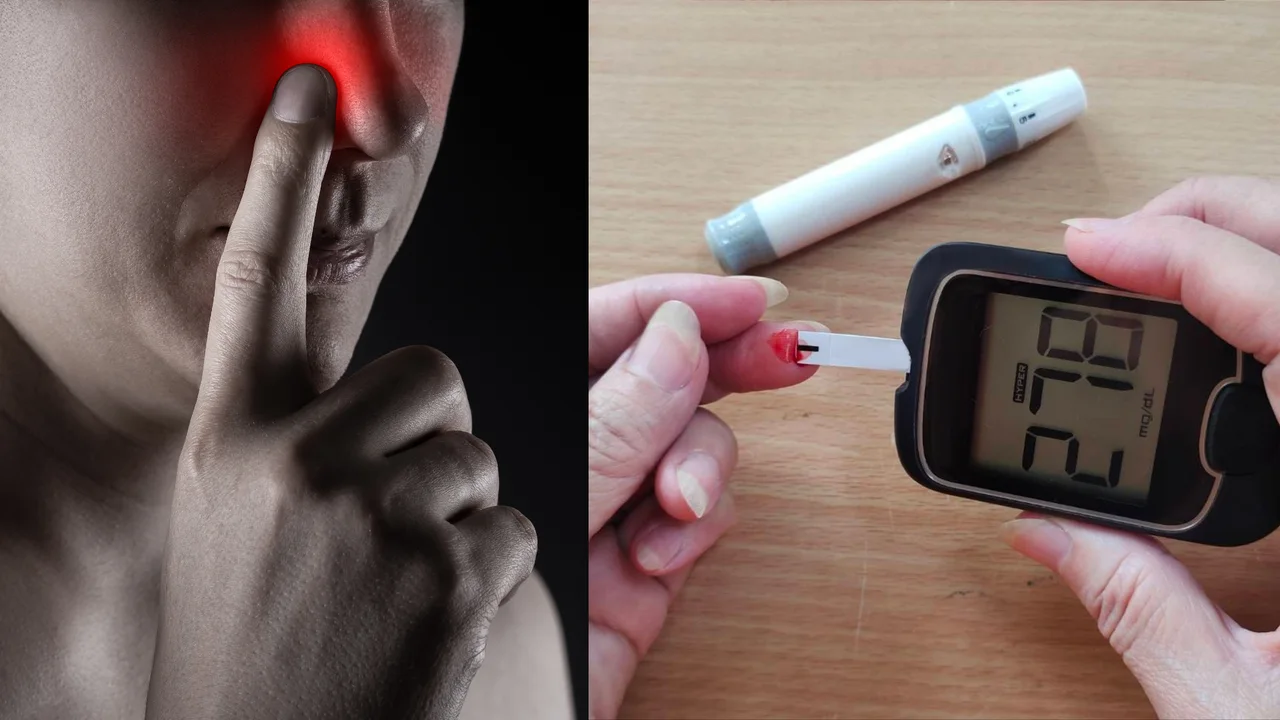
If you’re struggling to control your diabetes despite medications, diet, and exercise, the problem might not just be your pancreas—it could be your nose.
Nasal obstruction—a condition where airflow through the nose is blocked due to structural or inflammatory causes—can silently worsen blood sugar control by disrupting sleep, oxygen delivery, and stress hormone balance. While this may sound surprising, recent studies and clinical observations point to a strong connection between airway health and metabolic disorders like diabetes.
How Nasal Obstruction Affects Diabetes Control
1. Poor Sleep Due to Nasal Blockages Worsens Insulin Resistance
Nasal blockages from a deviated septum, nasal polyps, or chronic rhinitis can lead to sleep-disordered breathing, especially obstructive sleep apnea (OSA)—a well-known cause of insulin resistance.
2. Oxygen Deprivation Triggers Sugar Spikes

Blocked nasal airflow during sleep leads to intermittent hypoxia, triggering the body’s stress response and increasing cortisol and adrenaline—both of which raise blood sugar levels.
3. Mouth Breathing Increases Systemic Inflammation

Mouth breathing bypasses the nose’s natural filtering role, leading to dryness and inflammation, both locally and systemically.
4. Nasal Issues Affect Exercise Capacity

Nasal obstruction often reduces energy levels and exercise tolerance, further worsening insulin resistance and weight gain.
Symptoms That Might Indicate a Nasal Issue Behind Your Uncontrolled Diabetes
- Constant nasal stuffiness, especially at night
- Snoring or waking up gasping for air
- Dry mouth or sore throat in the morning
- Puffy face or frequent sinus headaches
- Daytime fatigue despite 8 hours of sleep
Treating the Nose to Help Control Diabetes
✅ Endoscopic Nasal Surgery Modern, zero-scar nasal surgeries can correct structural blockages (like a deviated septum or enlarged turbinates). These surgeries help restore proper airflow, reduce stress hormones, and improve oxygenation during sleep.
✅ Allergy and Sinus Management: Treating chronic sinusitis and allergic rhinitis through medical therapy or immunotherapy can reduce inflammation and support better metabolic outcomes.
Patient Story: From Poor Sugar Control to Metabolic Recovery
A 42-year-old diabetic woman struggled with poor sugar control and chronic nasal congestion. Despite insulin adjustments, her HbA1c stayed above 9. After undergoing nasal endoscopic surgery, her sleep improved dramatically, snoring resolved, and her endocrinologist noted better glycemic control within 3 months.
Final Thoughts
If you're a diabetic battling stubborn sugar levels and chronic nasal symptoms, it's time to look beyond medications.Your nose might be silently sabotaging your metabolic health.
Treating nasal obstruction may be the missing link to better:
- Sleep

- Oxygenation
- Insulin response
- Metabolism
General patient education. An individual consultation is needed to assess your symptoms and treatment options.