
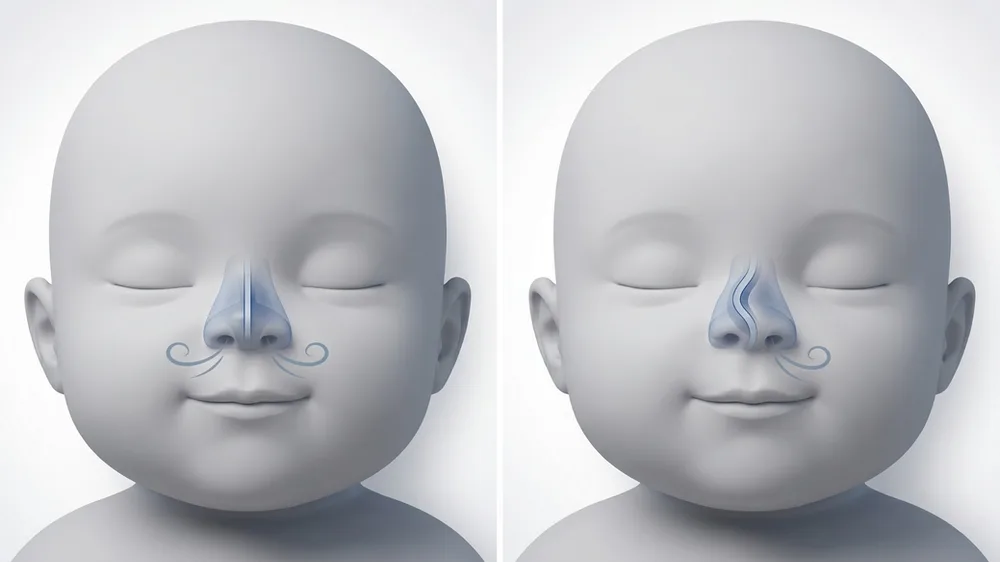
Understanding the Root Triggers Behind Nasal Blockage, Snoring & Sinus Issues
Many patients visiting ENT clinics in Bangalore complain of persistent nasal congestion, snoring, or repeated sinus infections. A common but underdiagnosed culprit behind these symptoms is a Deviated Nasal Septum (DNS) — where the thin wall between your nostrils is tilted or displaced to one side.
But what causes this seemingly simple yet troublesome condition? Let’s explore the 7 key causes of DNS:
🚼 1. Birth Trauma and Congenital Deviation
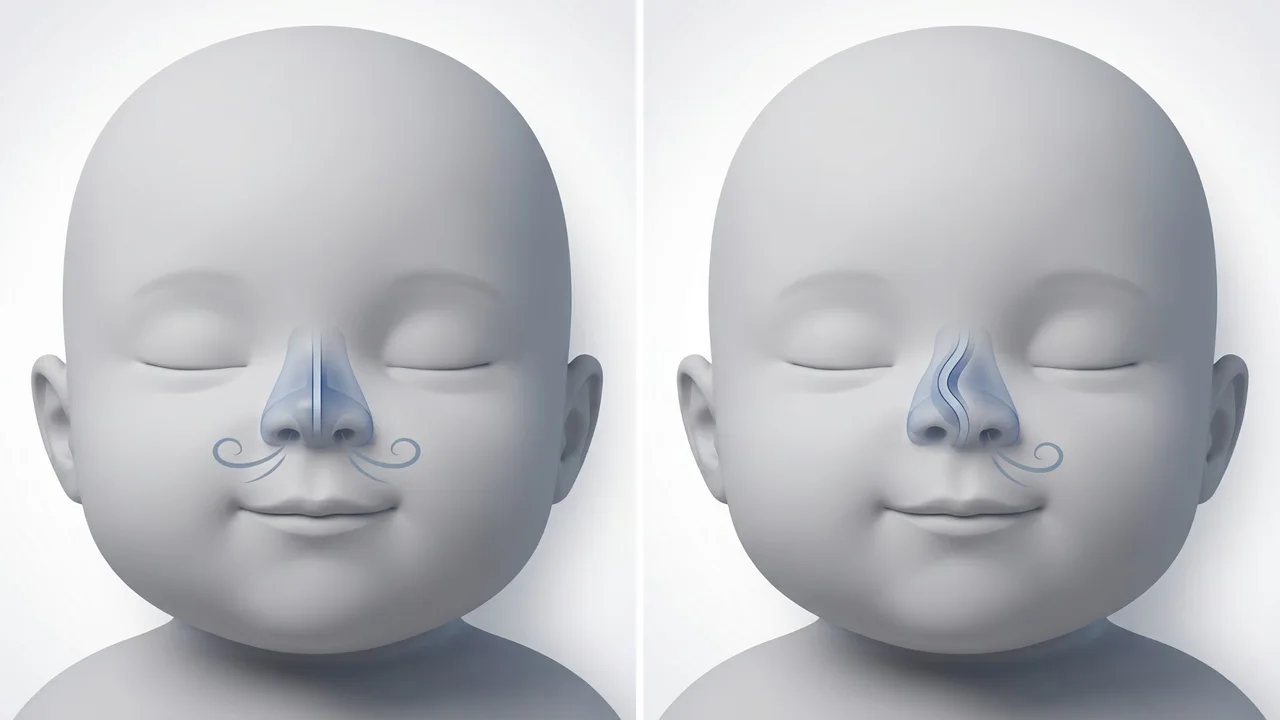
Some people are born with a deviated septum due to:
- Compression in the womb
- Difficult or prolonged vaginal delivery
- Use of instruments (like forceps) during birth
🔍 These cases often go unnoticed in childhood but can cause issues in adulthood.
🤕 2. Developmental Injuries in Infancy
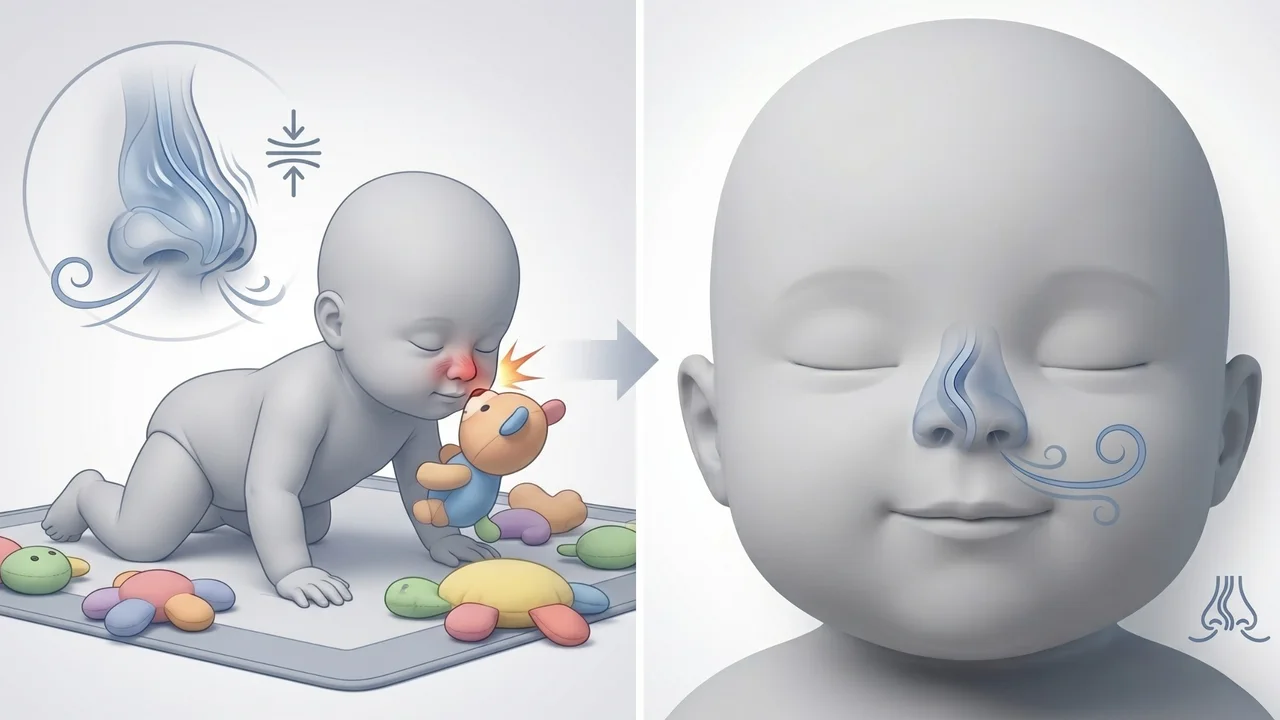
During early milestones like rolling or crawling, babies may frequently bump their nose. Even minor, unrecognized trauma can displace the soft, cartilaginous nasal septum, leading to permanent deviation over time.
👶 Parental Tip: Use soft surfaces and supervision during early mobility stages.
🧬 3. Facial Growth Imbalance
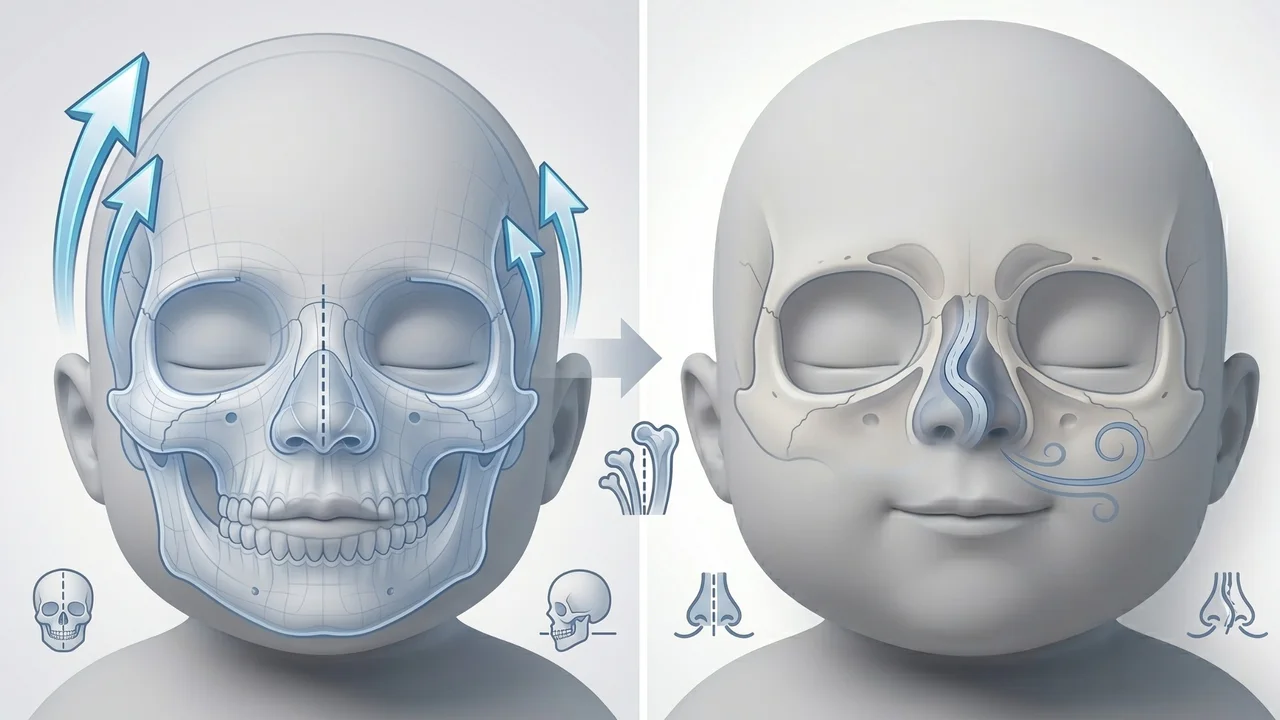
Sometimes, as the facial bones grow, the septum doesn’t keep up in a balanced way.This asymmetric growth causes a deviation — even without injury.
🥊 4. Trauma or Accidental Injuries
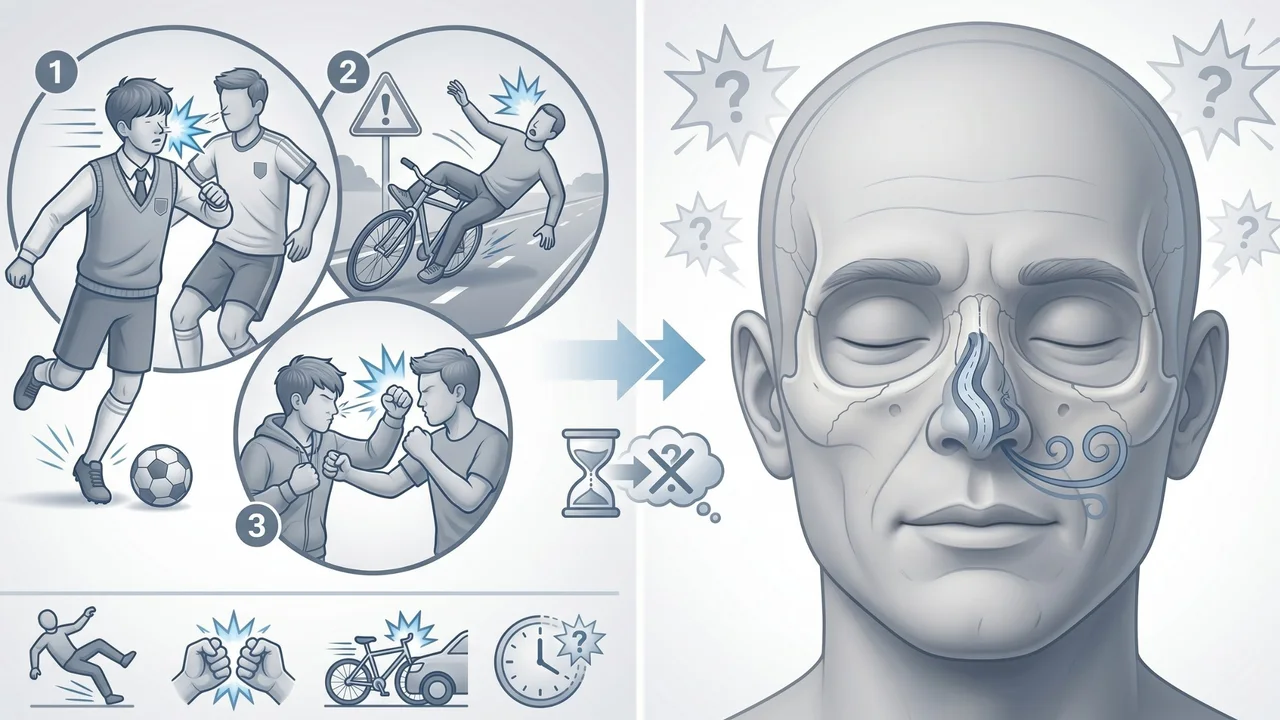
The most common cause of DNS in teens and adults:
- Road accidents
- Falls
- Sports injuries
- Fights or schoolyard accidents
⚠️ Symptoms may appear gradually, even if the incident is forgotten.
😮💨 5. Chronic Mouth Breathing
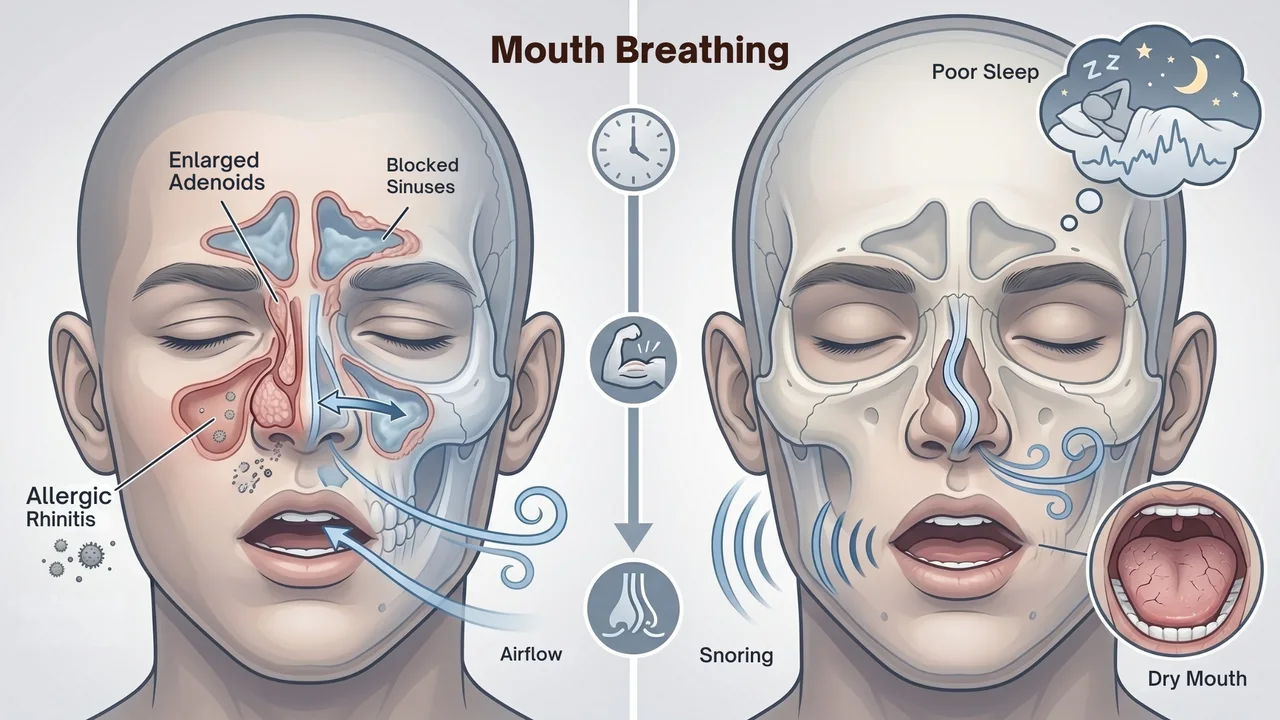
Conditions like allergic rhinitis, enlarged adenoids, or sinusitis cause mouth breathing.This disrupts normal airflow and pulls the septum off-center over time. It also worsens:
- Snoring
- Dry mouth
- Sleep quality
🧬 6. Genetic Factors
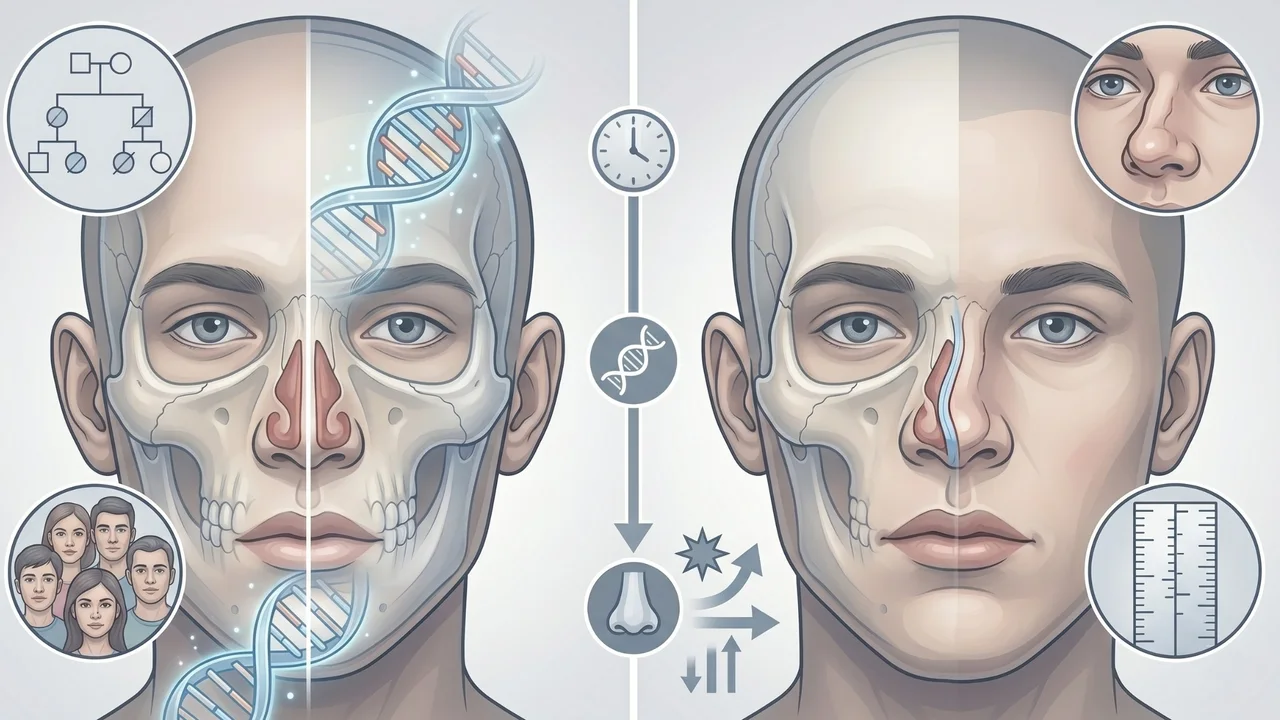
If crooked noses, facial asymmetry, or DNS run in your family, you may be more likely to develop it — even after minor injuries or during normal growth.
🛠️ 7. Post-Surgical or Iatrogenic Causes
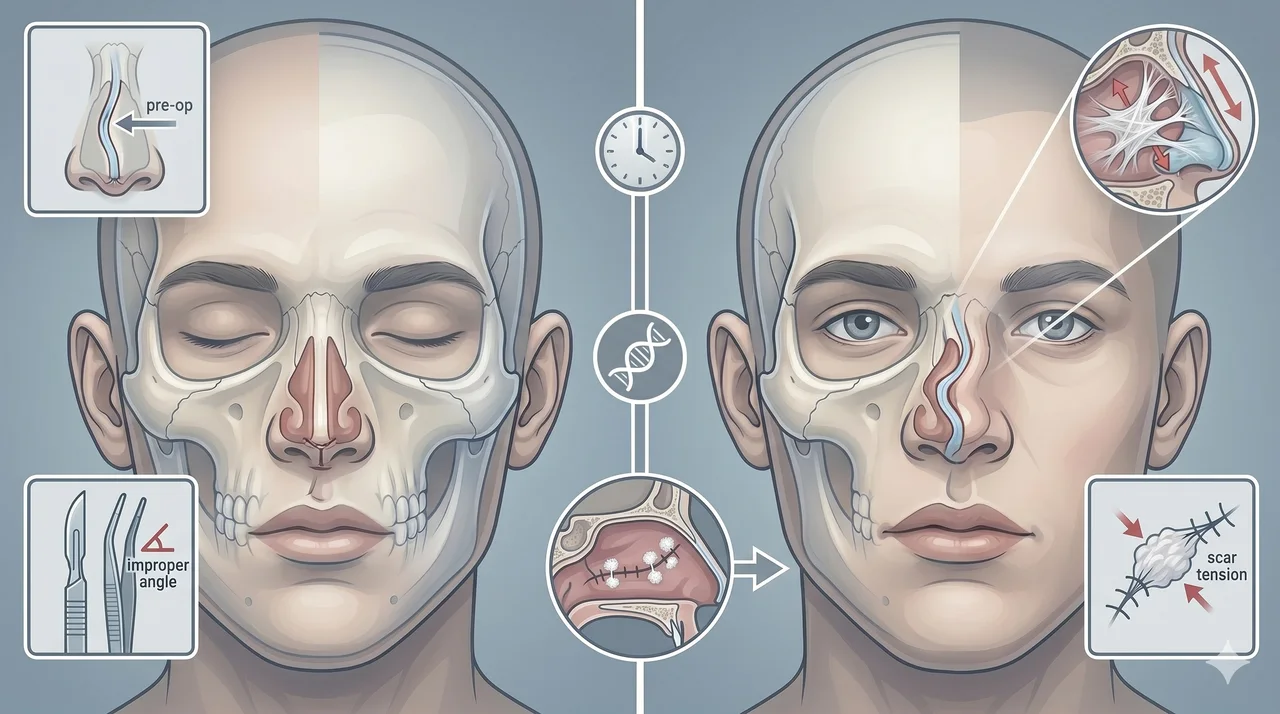
Sometimes, previous nasal or sinus surgeries may unintentionally cause DNS:
- Scar tissue pulls the septum
- The original deviation wasn’t corrected properly
🧠 Why You Should Take DNS Seriously
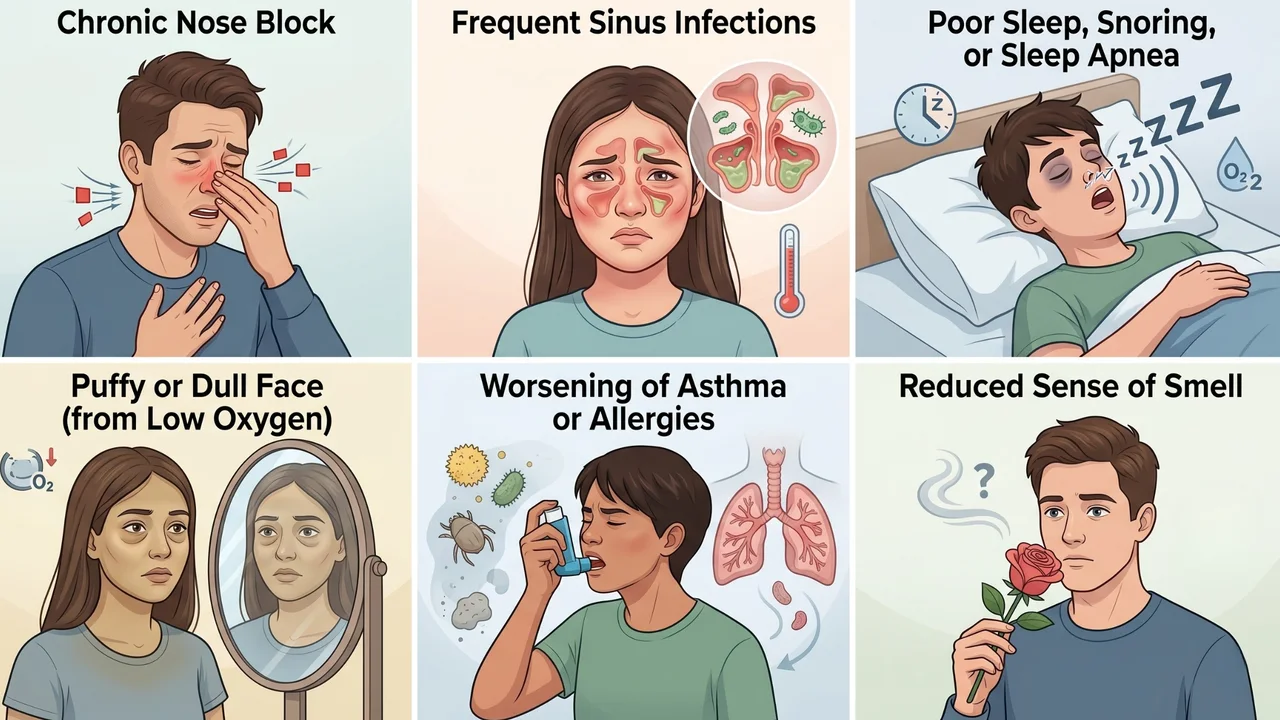
Even mild DNS can lead to:
- Chronic nose block
- Frequent sinus infections
- Poor sleep, snoring, or sleep apnea
- Puffy or dull face from low oxygen
- Worsening of asthma or allergies
- Reduced sense of smell
✅ How It’s Treated
- Nasal endoscopy and clinical examination
- CT scan to assess the deviation
- Septoplasty – a minimally invasive surgery to correct the septum
🎯 A scarless, endoscopic septoplasty can dramatically improve breathing, sleep, energy, and overall quality of life.
👨⚕️ Relief Is Possible — Consult an ENT Specialist in Bangalore
At my clinics in Koramangala and HSR Layout, I provide advanced diagnostic tools and offer endoscopic surgical solutions for DNS and related nasal conditions.
General patient education. An individual consultation is needed to assess your symptoms and treatment options.