
Short answer: Cold, dry air-conditioned air irritates the nasal lining, which swells to protect itself. In people with allergy, a deviated septum or enlarged turbinates, this swelling can block the nose and sinus openings and cause pressure over the cheeks and forehead, and sometimes a headache. Keeping the AC around 24 to 26°C, using saline sprays and treating the underlying nasal problem usually help.
Medically reviewed by Dr. Prashanth R. Reddy, ENT Surgeon (MS ENT) · Last reviewed: 19 October 2026
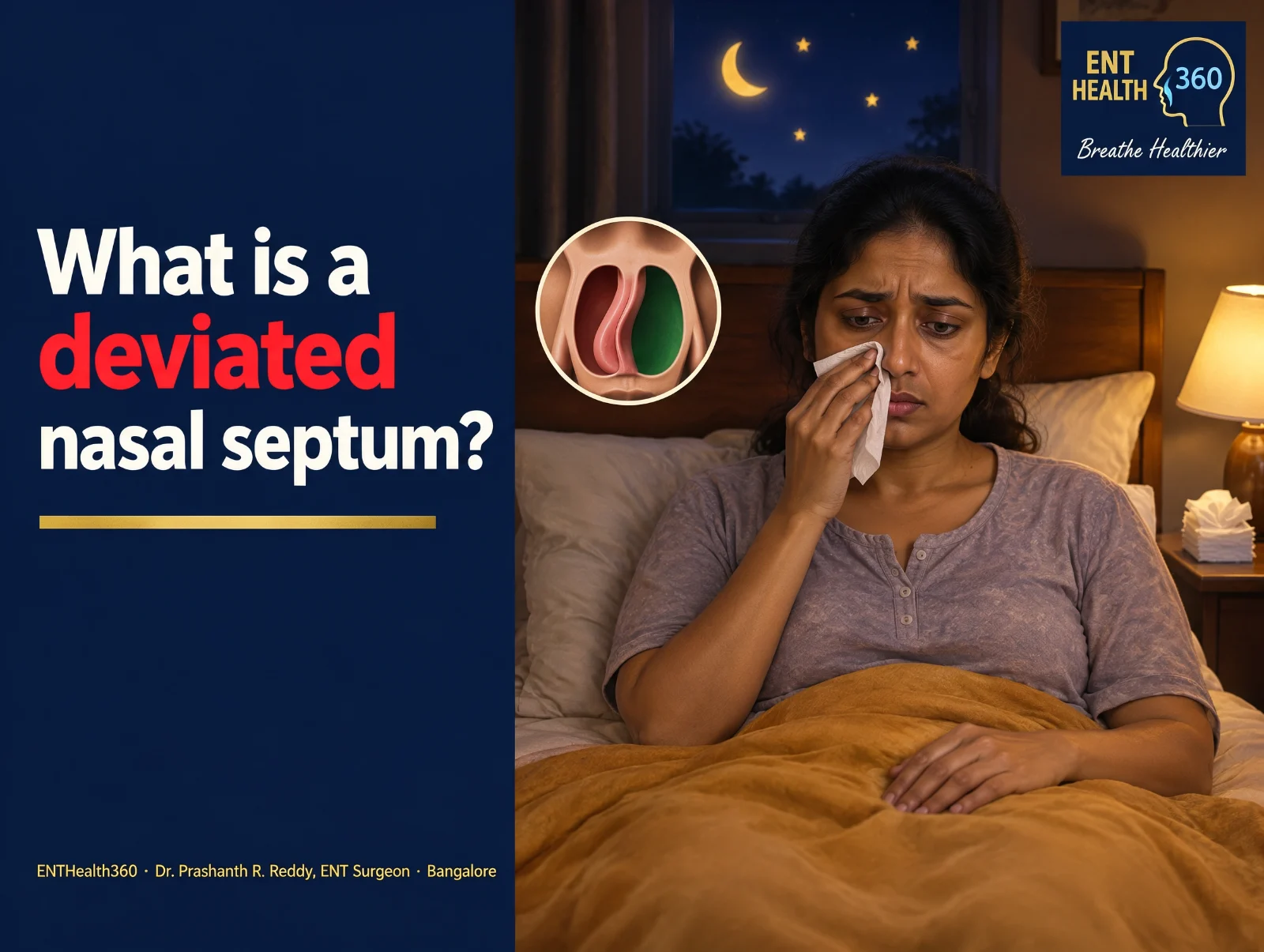
Why does AC block your nose and cause a headache?
Cold, dry AC air irritates the nasal lining, which swells to protect itself. In a nose already narrowed by allergy, a deviated septum or enlarged turbinates, that swelling can block the nose and sinuses and cause a headache.
Have you ever walked into an air-conditioned room and felt your nose clog up or your head start to pound within minutes?
You’re not imagining it—and you’re definitely not alone.
Let’s talk about what’s really going on inside your nose—and how we can fix it.
💨 Does AC cause a blocked nose?
AC doesn't create the nasal problem, but it does trigger it: cold, dry air makes the nasal lining swell.
Air conditioning cools the air, yes—but it also dries it out, and your nose loves moisture.
When that cold, dry air hits the delicate lining inside your nose, it reacts by:
- Swelling up to protect itself
- Thickening the mucus to trap irritants
- Blocking the sinus openings, which traps air and secretions
This chain reaction leads to:
- Nose block
- Pressure behind the cheeks and eyes
- A dull, nagging headache
- Even neck and shoulder stiffness in some people
If you’re noticing these symptoms regularly, it might be time to seek nose block in AC treatment Bangalore—especially if home remedies haven’t helped.
🔍 Who is more sensitive to AC?
People who already have a deviated septum, enlarged turbinates or nasal allergy are more likely to get a blocked nose and headache in AC.
Not everyone reacts the same way to AC air. But you're more likely to struggle if you already have:
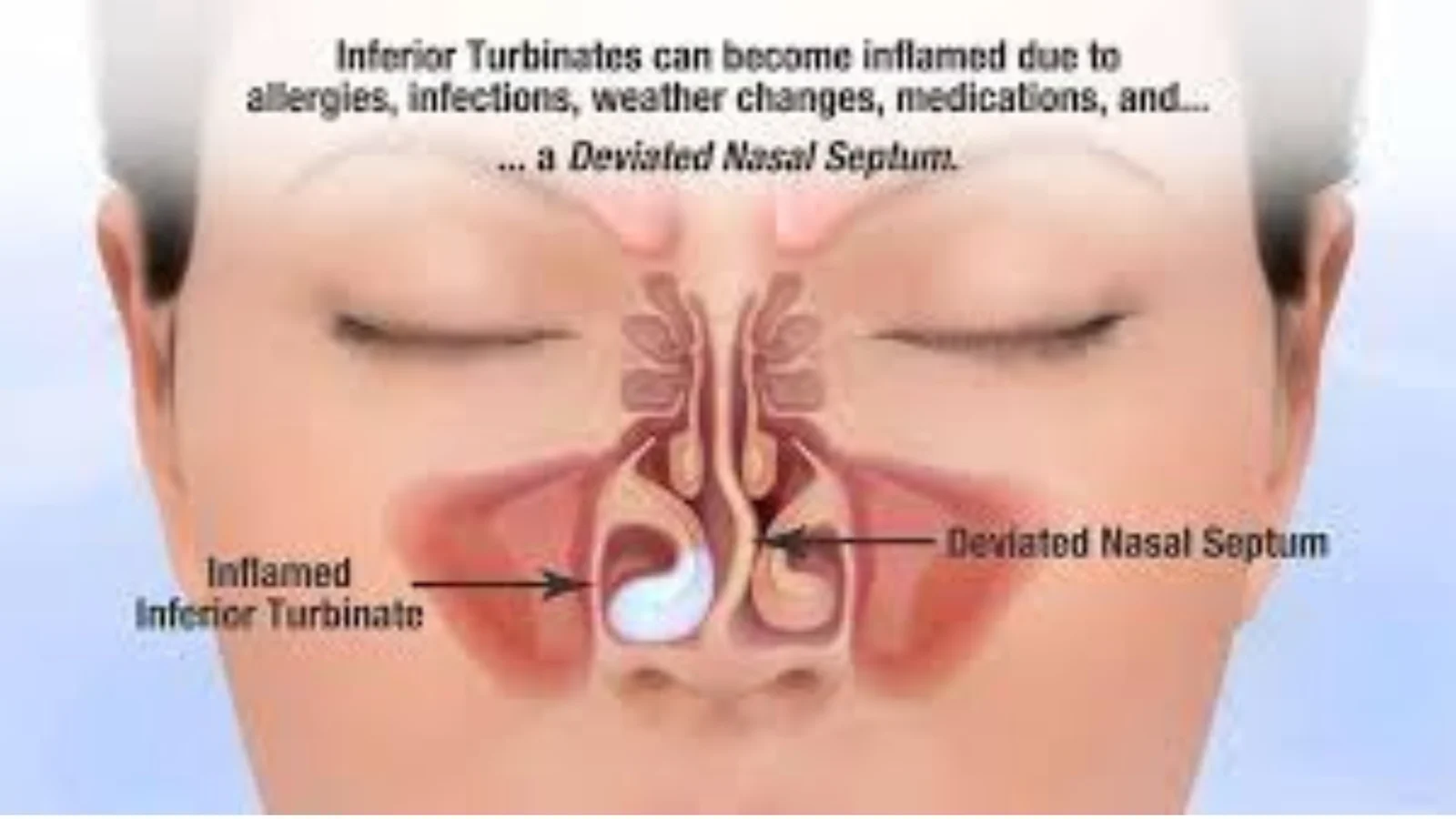
- Deviated septum – the wall inside your nose is bent which can press on the nerves within the nose which leads to Headaches.
- Turbinate hypertrophy – those tiny air filters in your nose are enlarged
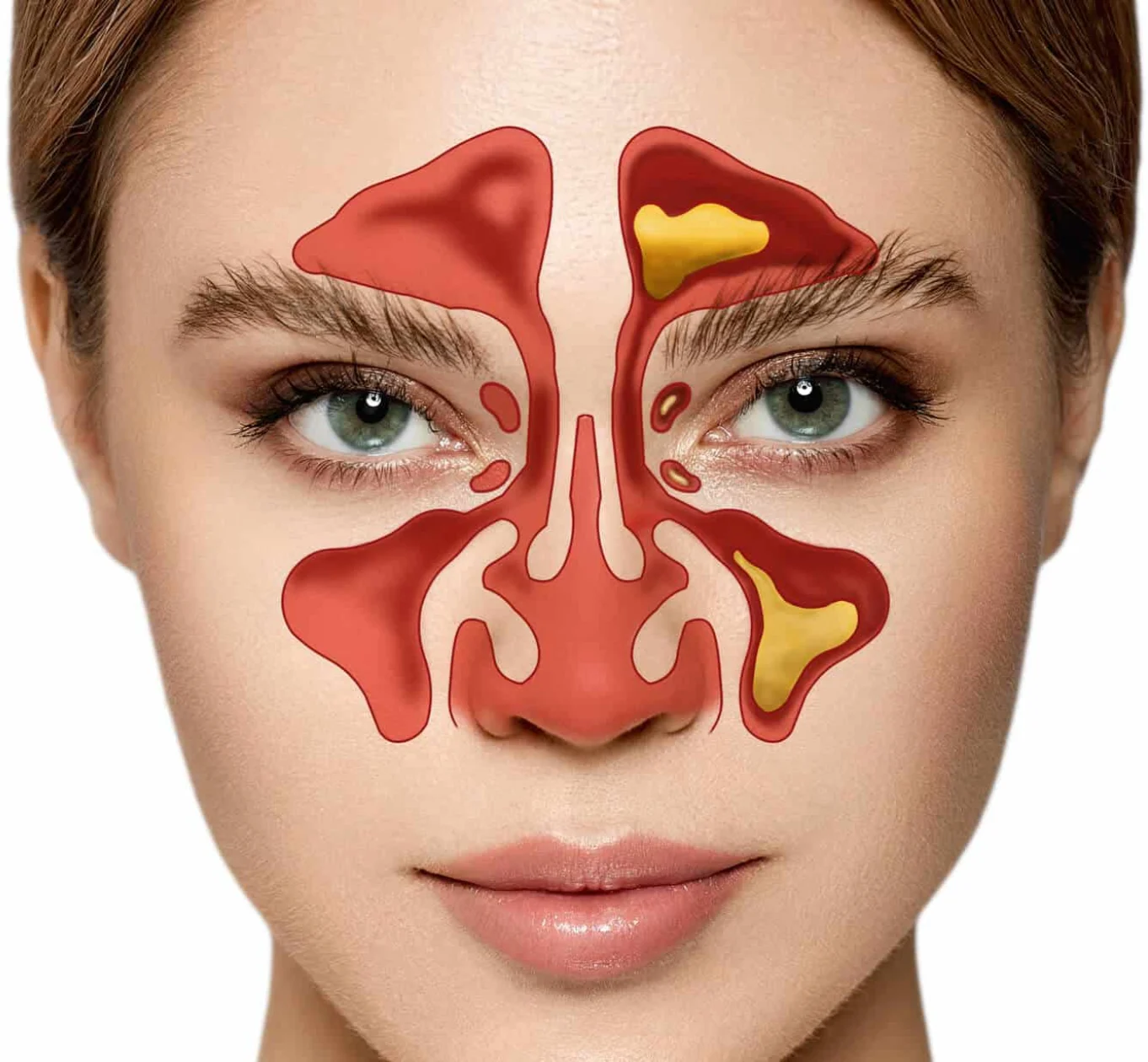
- Sinusitis – sinuses already inflamed or infected
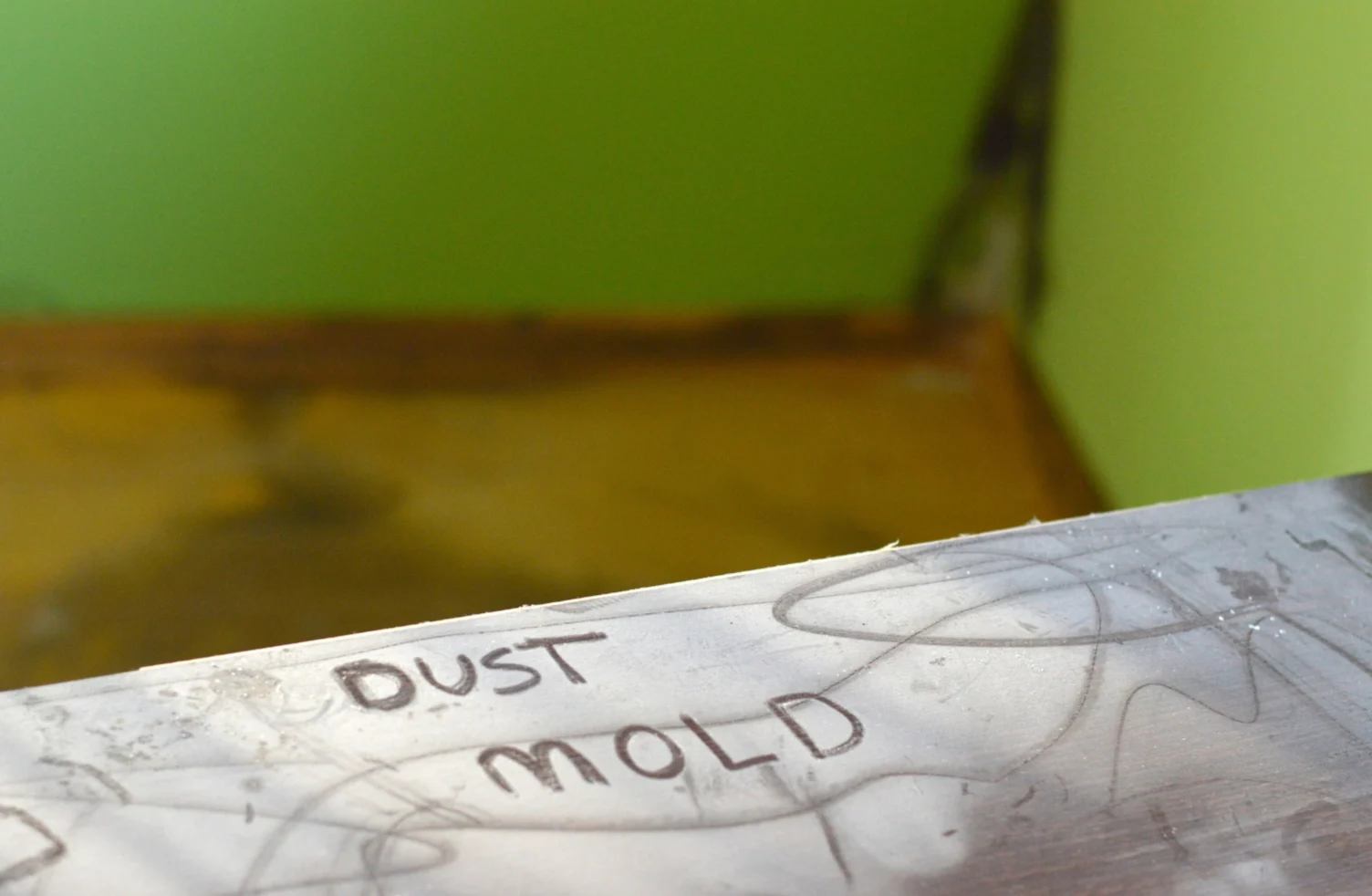
- Allergies – especially to dust or mold inside AC filters
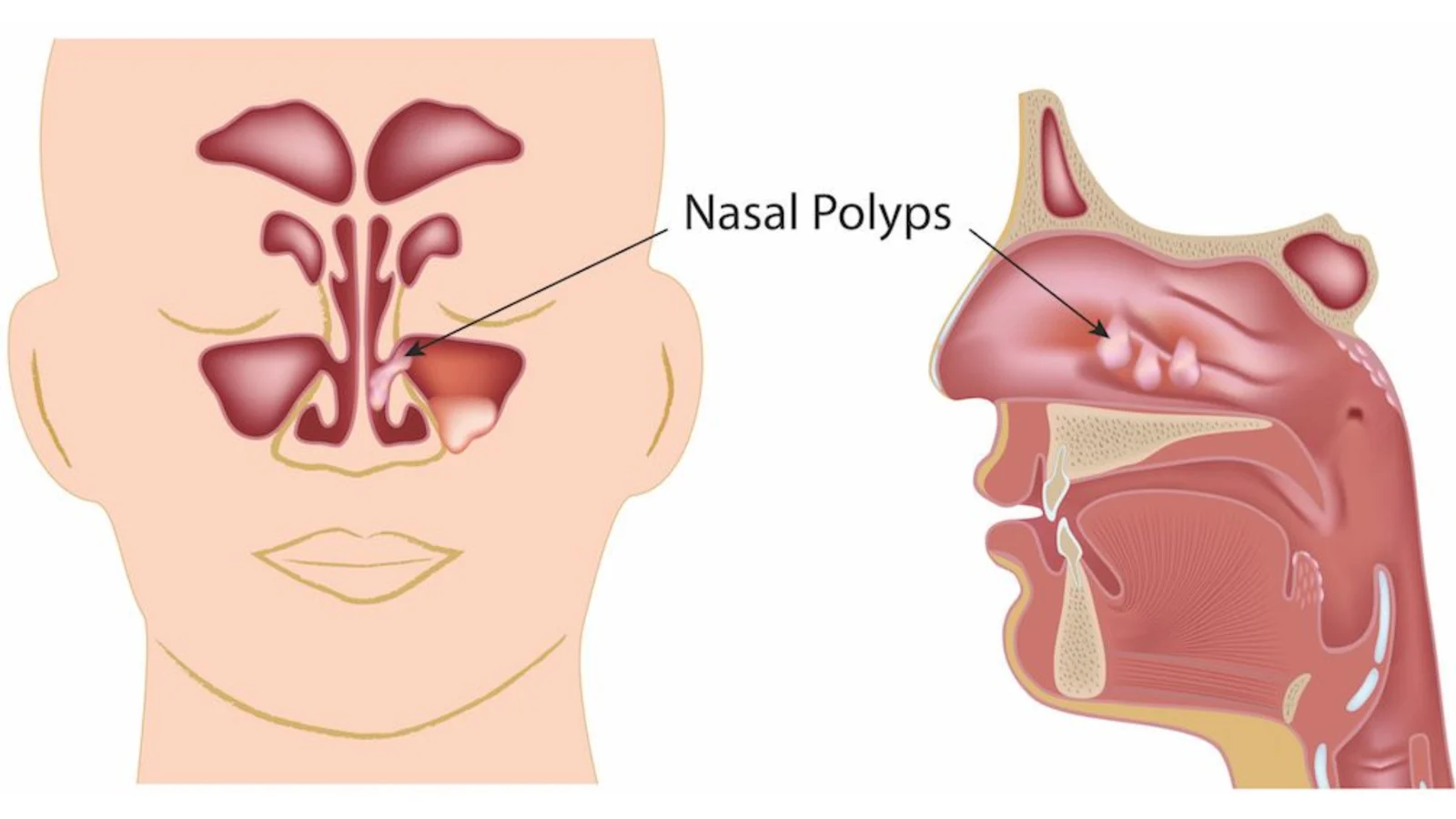
- Nasal polyps – small growths that block airflow
Even if you’ve been managing these quietly, air conditioning can make them flare up, making you a good candidate to consult ENT for air conditioning allergies Bangalore.
If you’re looking for an Experienced ENT Doctor for Blocked Nose & Headaches in AC in Bangalore, it’s important to choose someone who doesn’t just treat the symptoms—but finds the root cause and treats it.
🤯 Why does a blocked nose in AC cause headaches?
A blocked nose in AC causes headaches when swollen tissue stops the sinuses draining, so trapped air builds pressure and the inflammation causes facial pain.
Your sinuses are air-filled spaces that need to stay open and drain properly. When they get blocked:
- Air gets trapped → pressure builds up
- Inflammation spreads → facial pain starts
- Blood vessels constrict and swell → you get that heavy, full feeling in your head
Many patients mistake this for a migraine, but it's often a sinus-induced headache, worsened by cold, dry environments.
This often leads patients to search for a top ENT clinic for AC-related nose block Bangalore when symptoms become frequent and unmanageable.
✅ What helps a blocked nose and headache in AC?
Keeping the AC around 24 to 26°C, using a saline nasal spray, drinking enough water and avoiding direct airflow on your face usually help.
Here are some simple steps that may help relieve your symptoms:
- 💧 Stay hydrated – Drink water regularly
- 💨 Use a saline nasal spray – Keeps your nasal passages moist
- 🚫 Avoid direct AC airflow on your face
- 🧼 Clean your AC filters – Mold and dust are hidden triggers
- 🌬️ Use a humidifier if the room air feels dry
Still struggling? You may need to see an ENT doctor for nose block and headaches Bangalore to identify the root cause through nasal endoscopy or scans.
🩺 You Don’t Have to Avoid AC—Just Fix the Root Cause
Living in Bangalore, AC is almost unavoidable. But your body shouldn't suffer every time you're exposed to it.
So if you're wondering, why does my head hurt in AC and nose get blocked, know that you're not alone.
From sinus issues to allergies—Schedule a Nasal Evaluation Today! If surgery is ever needed, it is done through the nostrils with an endoscope: Zero Cut. Zero Scar. Zero Bandage.
Frequently asked questions
Why does my nose get blocked in an AC room? The lining reacts to cold, dry air by swelling and making thicker mucus, which narrows the airway, especially if your nose is already narrow.
Can AC cause sinus headaches? It can trigger sinus pressure in people with sinus or allergy problems. Frequent headaches should still be checked for migraine or a nasal contact point.
What helps with a blocked nose in AC? A warmer AC setting, a humidifier or a bowl of water in the room, saline sprays, and treating any allergy or structural blockage.
Related reading: Can sinusitis cause headache every day? · Sluder's Neuralgia Complex: The Hidden Nasal Cause of Chronic Headaches – And How Surgery Can Set You Free
Complete guide: Nasal headache and endoscopic nerve decompression: causes, diagnosis and treatment
See Dr. Prashanth R. Reddy in Bengaluru
Video or phone consultations are available if you live outside Bengaluru.
Call +91 821 788 4802 or +91 99026 05737 · Book online: enthealth360.com/book-appointment
References
- Fokkens WJ, et al. European Position Paper on Rhinosinusitis and Nasal Polyps 2020 (EPOS 2020). Rhinology. 2020. PubMed 32077450
- Headache attributed to disorder of the nasal mucosa, turbinates or septum (A11.5.3). The International Classification of Headache Disorders, 3rd edition (ICHD-3). International Headache Society; 2018. ichd-3.org
- Prevalence of nasal mucosal contact points in patients with facial pain compared with patients without facial pain. J Laryngol Otol. 2001. PubMed 11535142
General patient education. An individual consultation is needed to assess your symptoms and treatment options.