Page updated 7 October 2026
Understanding your symptoms
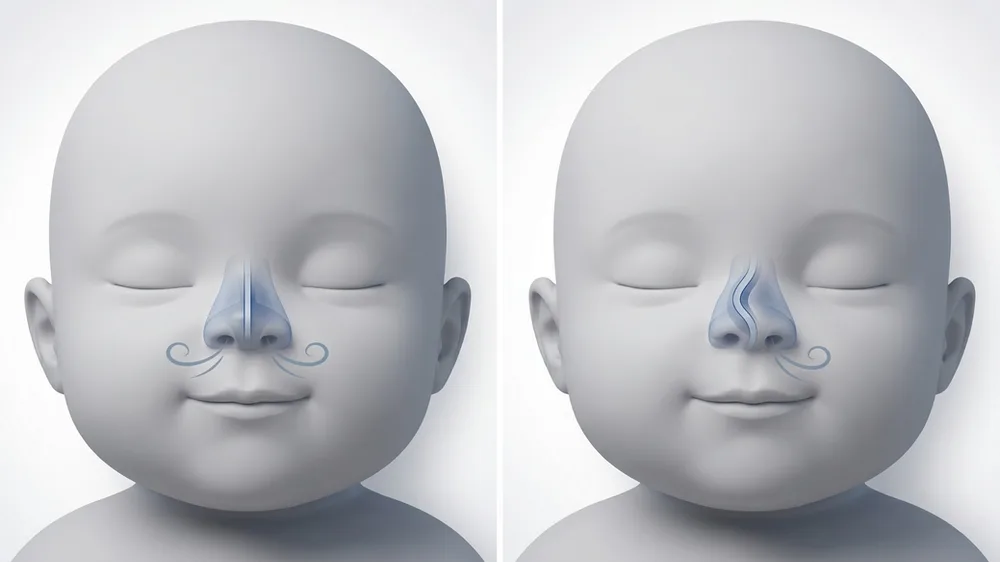
The septum separates the two sides of your nose. A deviation may narrow the airway, but not every deviation needs treatment.
Your consultation brings together your history, examination and any relevant test results. Similar symptoms can have different causes.
Common symptoms
- Persistent nasal blockage
- One side feeling more blocked
- Mouth breathing
Possible causes
The septum may develop off-centre or change after a nasal injury. Inflammation can contribute to the blocked feeling.
When to consult an ENT specialist
Arrange an assessment when symptoms persist, recur, affect your sleep or interfere with everyday activities. Bring previous reports and a list of treatments you have tried.
For breathing difficulty or another medical emergency, seek urgent care rather than using the appointment form.
How it is evaluated
The specialist examines the nasal passage and assesses whether the septum explains your symptoms. Endoscopy may help assess other causes.
Possible treatment approaches
Associated inflammation may be treated medically. Septoplasty may be discussed if a structural obstruction remains significant.
Questions you may have
Does this symptom mean I need surgery?
Not necessarily. Treatment is based on the cause, severity, previous treatment and your preferences. Your specialist will explain reasonable alternatives.
What should I bring to my consultation?
Bring previous medical reports, relevant scans, a medication list and any notes about when your symptoms occur.