Is Your Child's Hyperactivity Actually a Breathing Problem?
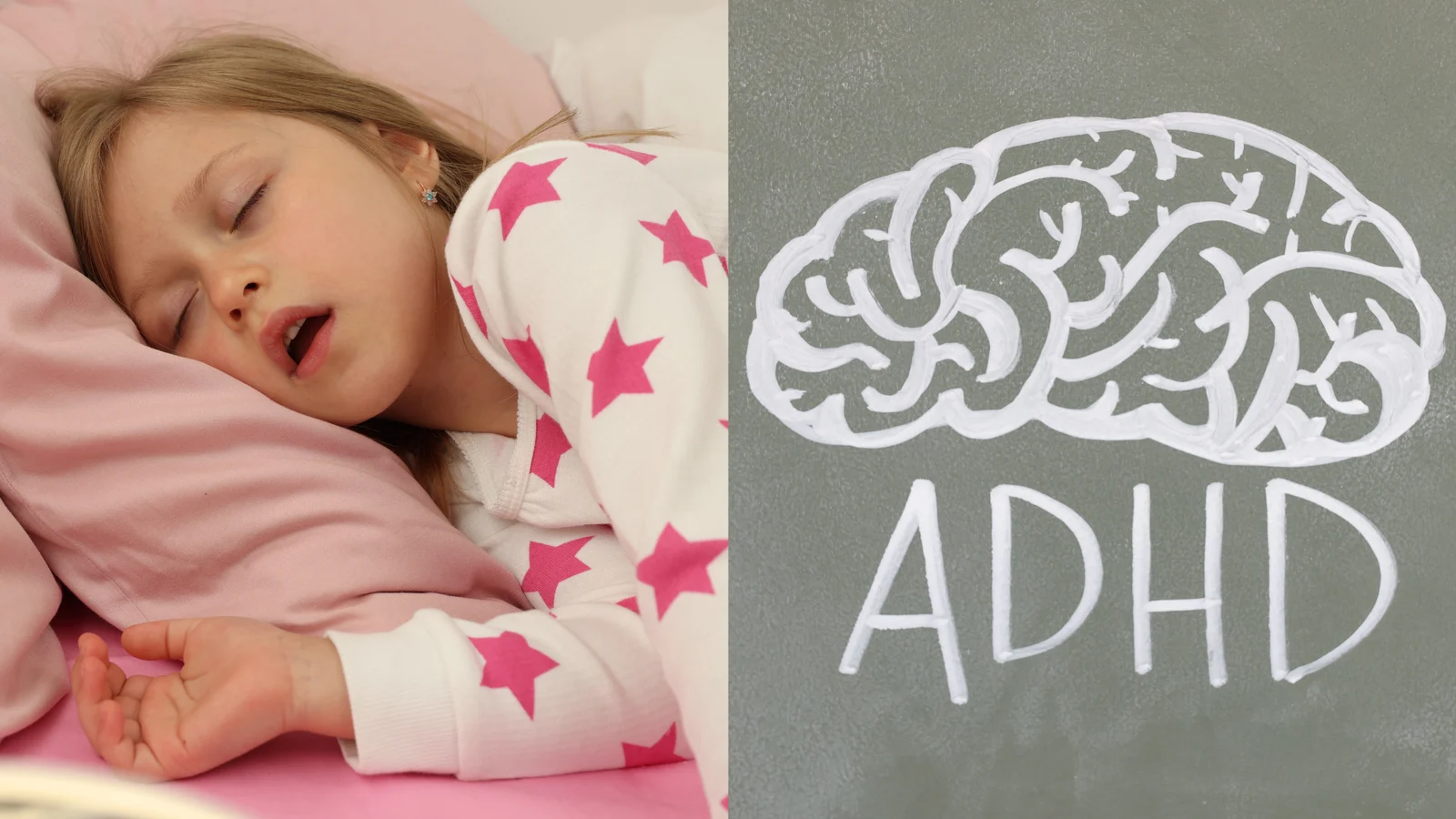
If your child is struggling with attention issues, hyperactivity, poor sleep, or has been diagnosed with ADHD, the underlying cause could be something often overlooked — nasal blockage due to enlarged adenoids.
As a leading ENT specialist in Bangalore, I frequently see children whose behavioral and academic concerns are directly tied to sleep-disordered breathing caused by adenoidal hypertrophy.
Watch: Adenoids in Kids: The Hidden Cause of Poor Growth, ADHD & Bed Wetting

✅ What Are Adenoids and Why Do They Enlarge?
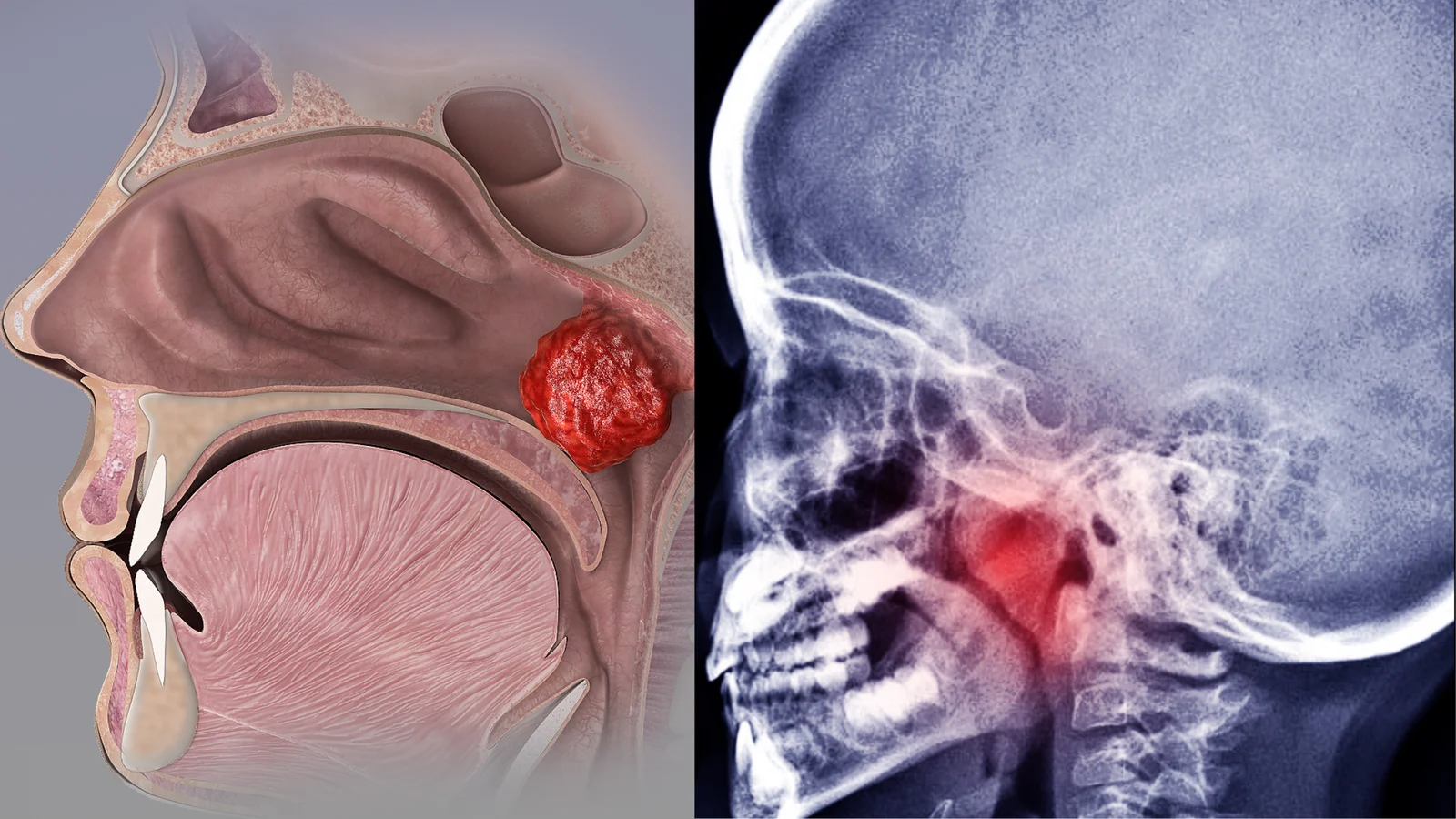
Adenoids are a patch of immune tissue located at the back of the nasal passage. They help fight infections in early childhood but can become chronically enlarged — especially after repeated infections or allergies.
When this happens, your child may suffer from:

- Constant nasal congestion
- Mouth breathing
- Snoring
- Interrupted sleep
- Frequent upper respiratory infections
🧠 How Nasal Blockage Impacts Brain Function and Behavior
Blocked nasal passages reduce airflow — especially during sleep — causing reduced oxygen levels and fragmented sleep patterns. This condition is called pediatric obstructive sleep apnea (OSA).
The result?Your child may wake up tired, irritable, and unable to focus — symptoms that can mimic ADHD.
⚠️ Signs Your Child May Have Adenoid-Related Sleep Issues
- Persistent nasal block or stuffy nose
- Mouth breathing during the day or while sleeping
- Snoring or restless sleep

- Poor school performance

- Hyperactivity, impulsiveness, or inattention
If these symptoms sound familiar, your child might be dealing with sleep deprivation due to nasal obstruction, not a neurological disorder.
📉 Misdiagnosis of ADHD is Common
Studies show that many children labeled with ADHD actually suffer from undiagnosed sleep-disordered breathing.
Treating nasal blockage and enlarged adenoids can lead to a dramatic improvement in behavior, focus, and sleep — sometimes even eliminating the need for ADHD medication.
👨⚕️ How an ENT Specialist Can Help
As an ENT surgeon consulting at reputed hospitals across Bangalore, I offer expert evaluation and treatment for:
- Enlarged adenoids and tonsils
- Chronic nasal blockages
- Pediatric sleep-disordered breathing
- Mouth breathing and snoring in children
Treatment may involve:
✅ Nasal sprays
✅ Allergy management
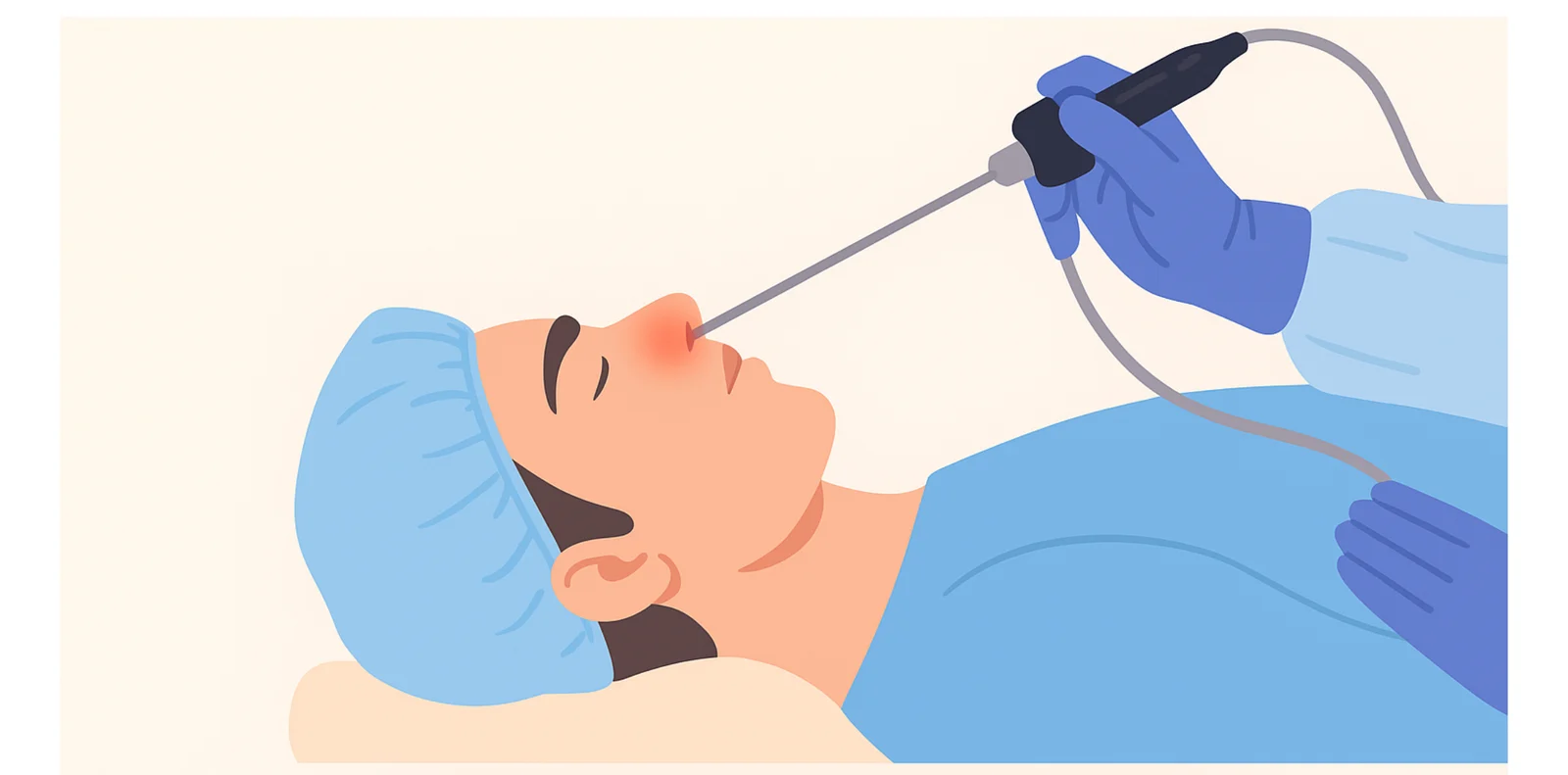
✅ In some cases, Endoscopic adenoidectomy — a safe, minimally invasive procedure that offers lasting relief
💤 Breathe Better, Sleep Better, Behave Better
If your child has been diagnosed with ADHD but also struggles with nasal blockage or poor sleep, it’s time to consider ENT-related causes.
Frequently asked questions
Can enlarged adenoids cause symptoms that look like ADHD? They can mimic them. Enlarged adenoids reduce airflow during sleep, lowering oxygen levels and breaking up sleep. A child who sleeps poorly may wake up tired and irritable and struggle to focus, which can look like attention or hyperactivity problems.
What signs suggest my child's sleep is affected by adenoids? Persistent nasal block, mouth breathing by day or night, snoring or restless sleep, frequent colds, poor school performance, and hyperactivity, impulsiveness or inattention are signs worth discussing with an ENT.
How are enlarged adenoids treated? Treatment may include nasal sprays and allergy management, and in some cases endoscopic adenoidectomy, a minimally invasive procedure. Your child's ENT will advise what is suitable after examining the nose and adenoids.
👨⚕️ Dr. Prashanth R. Reddy
ENT & Endoscopic Sinus Surgeon
📍 Sakra World Hospital, Marathahalli, Bangalore
📍 Dr Prashanth Reddy | ENT Specialist – Koramangala-
🕐 5:00 PM – 7:00 PM (Monday–Saturday)
🕐 11:00 AM – 1:00 PM (Sunday)
📍 Book an ENT Consultation in Bangalore.
Don’t let a treatable ENT issue impact your child’s mental and emotional well-being.
📅 Book online today to schedule a personalized consultation and breathing assessment. 🕒 Available at leading hospitals across Bangalore.
General patient education. An individual consultation is needed to assess your symptoms and treatment options.