
If your child seems to eat less, is often tired, or just doesn’t seem like their usual energetic self — it might not be a stomach issue.
Surprisingly, the root cause could be higher up — in the nose and throat.
At ENT Health 360, we often hear worried parents ask:
The answer often lies in a condition called enlarged adenoids — and the good news is, it’s treatable.
🌿 What Are Adenoids, Anyway?
Adenoids are small pads of tissue at the back of the nose.They help fight infections, especially in children.
But when they become enlarged due to frequent colds or allergies, they can block the airway and cause trouble with breathing, sleeping, and even eating.
🍽️ How Enlarged Adenoids Affect Your Child’s Appetite
Let’s break down what’s happening behind the scenes:
😮💨 1. Mouth Breathing Makes Eating Uncomfortable

If the nose is blocked, your child breathes through the mouth, drying it out.This makes chewing difficult and food less enjoyable — leading to reduced appetite.
🥴 2. Swallowing Becomes Unpleasant

Postnasal drip and throat irritation can make swallowing feel weird — almost like something’s "stuck."Kids may avoid eating just to avoid discomfort.
💤 3. Poor Sleep = Poor Appetite

Children with enlarged adenoids often snore or wake up frequently. Lack of rest leaves them tired and cranky — and not in the mood to eat.
🤒 4. Frequent Infections Lower Hunger

Ongoing colds, sore throats, or ear infections caused by adenoids also affect appetite.Sick kids rarely feel like eating — and this can become a pattern.
💨 5. Gas and Bloating from Swallowed Air
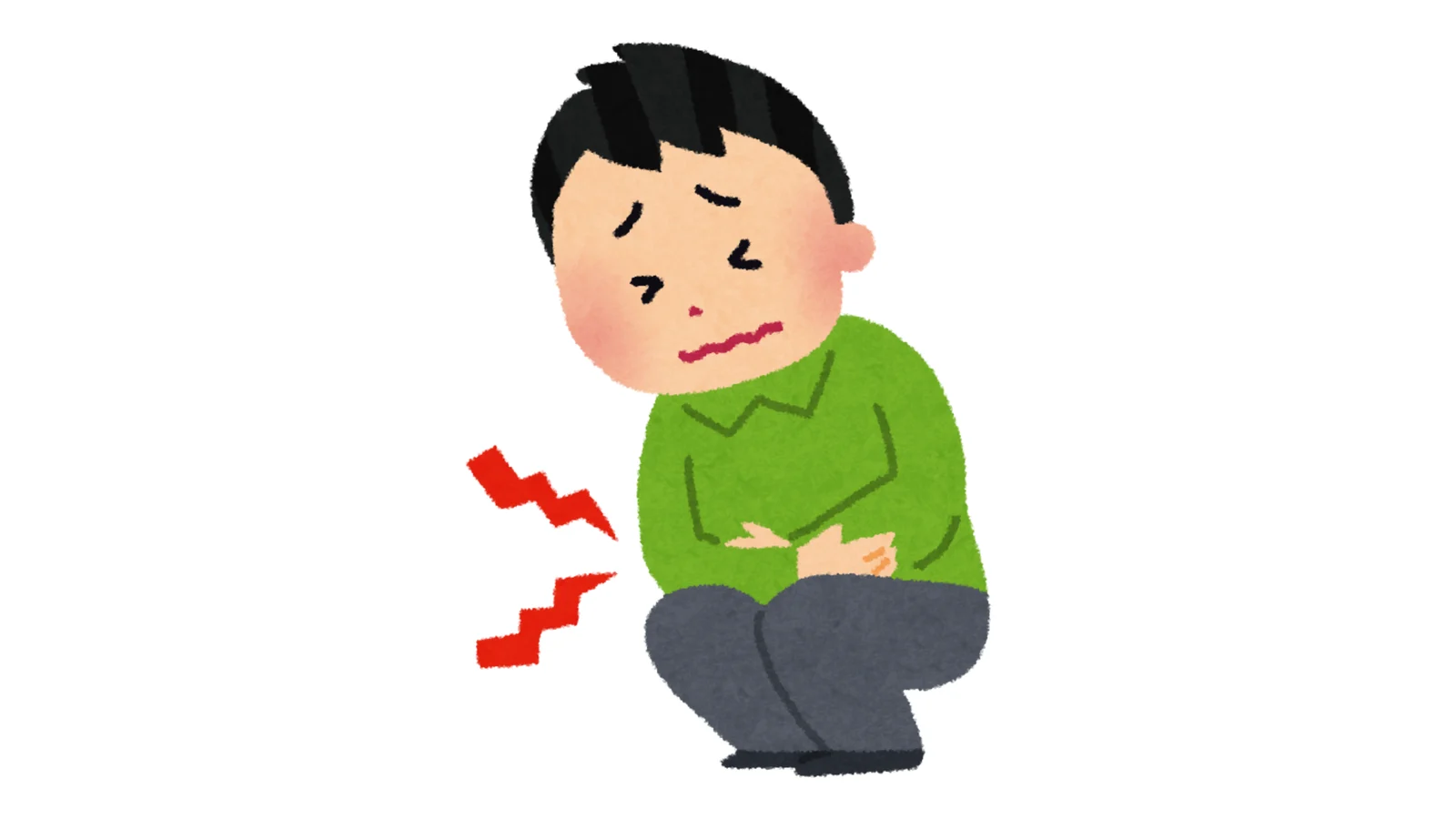
Mouth breathing means more air goes into the tummy, leading to bloating or gas.This can cause children to feel full too soon.
🚨 Red Flags to Watch For
- Eating less or avoiding certain foods/textures
- Snoring or noisy breathing during sleep
- Breathing mostly through the mouth
- Slow weight gain or low energy
- Talking with a nasal tone or saying "eh?" often
🩺 What Can You Do?
Start with a simple ENT consultation.
At ENT Health 360, we use child-friendly tools like:
- Nasal endoscopy (quick and gentle)
- Lateral neck X-rays
These help us clearly assess if adenoids are the cause.
💡 Treatment Options
Depending on the diagnosis, treatment may include:
- Nasal sprays or antihistamines
- Antibiotics for infections
- And in more severe cases, a minor surgery called:
🔹 Endoscopic Powered Adenoidectomy
- Done under anaesthesia, with minimal discomfort
- No visible scars
- Quick recovery
🌟 Why Early Treatment Matters
Untreated enlarged adenoids can lead to:
- Poor growth and nutrition
- Speech development issues
- Fatigue and poor school performance
Early care can bring back your child’s energy, appetite, and smile.
Frequently asked questions
Can enlarged adenoids make my child eat less? Yes. Enlarged adenoids can block the nose, so the child breathes through the mouth, which dries it and makes chewing harder. Postnasal drip, poor sleep, frequent infections and swallowed air causing bloating can all reduce a child's appetite.
What are adenoids? Adenoids are small pads of tissue at the back of the nose that help fight infections, especially in children. When they become enlarged after frequent colds or allergies, they can block the airway and affect breathing, sleeping and eating.
How does an ENT check whether adenoids are the cause? A quick, gentle nasal endoscopy or a lateral neck X-ray helps the ENT see whether enlarged adenoids are blocking your child's airway.
How are enlarged adenoids treated? Depending on the diagnosis, treatment may include nasal sprays or antihistamines, antibiotics for infections, and in more severe cases an endoscopic powered adenoidectomy, done under anaesthesia without visible scars.
👨⚕️ We’re Here to Help
At ENT Health 360,Dr. Prashanth R. Reddy brings over 17 years of experience treating children with breathing and eating difficulties.
📍 Available across leading hospitals in Bangalore
📆 Same-week appointments
💬 WhatsApp and online booking options available
Worried about your child’s appetite or snoring? Let’s get to the root of it.✅ Book an ENT consultation today.
👨⚕️ Dr. Prashanth R. Reddy
ENT & Endoscopic Sinus Surgeon
📍 Sakra World Hospital, Marathahalli, Bangalore
📍 Dr Prashanth Reddy | ENT Specialist – Koramangala-
🕐 5:00 PM – 7:00 PM (Monday–Saturday)
🕐 11:00 AM – 1:00 PM (Sunday)
General patient education. An individual consultation is needed to assess your symptoms and treatment options.