Snoring in the Gulf: why AC and desert dust make it worse
AC running all night and desert dust can dry and swell the nose, pushing you to mouth-breathe and snore louder. What helps, and when to see an ENT.
THE NASAL MYSTERIES JOURNAL
Read about snoring, sleep-disordered breathing and the options discussed in the ENT Health360 journal.
32 articles
AC running all night and desert dust can dry and swell the nose, pushing you to mouth-breathe and snore louder. What helps, and when to see an ENT.
A roommate or partner is the only witness to how you breathe asleep. When loud snoring is just noise, when it points to sleep apnea, and what to do next.
Travelling from another city or country? Send your CT scan ahead, have a video review, then your ENT evaluation on day 1 of your visit to Bengaluru.
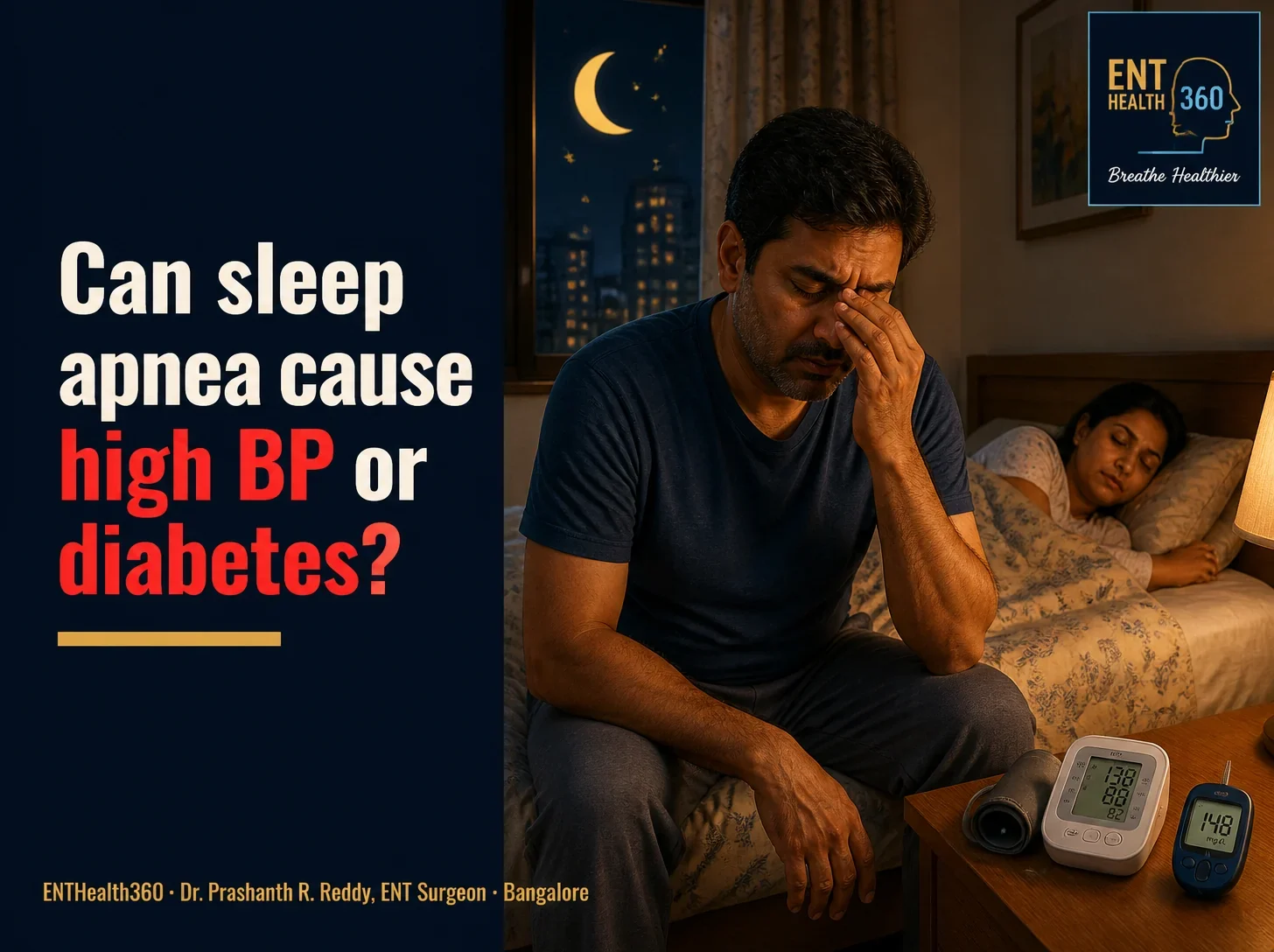
Sleep apnea is closely linked with high blood pressure and type 2 diabetes. How broken sleep and low oxygen affect them, and when to see an ENT.
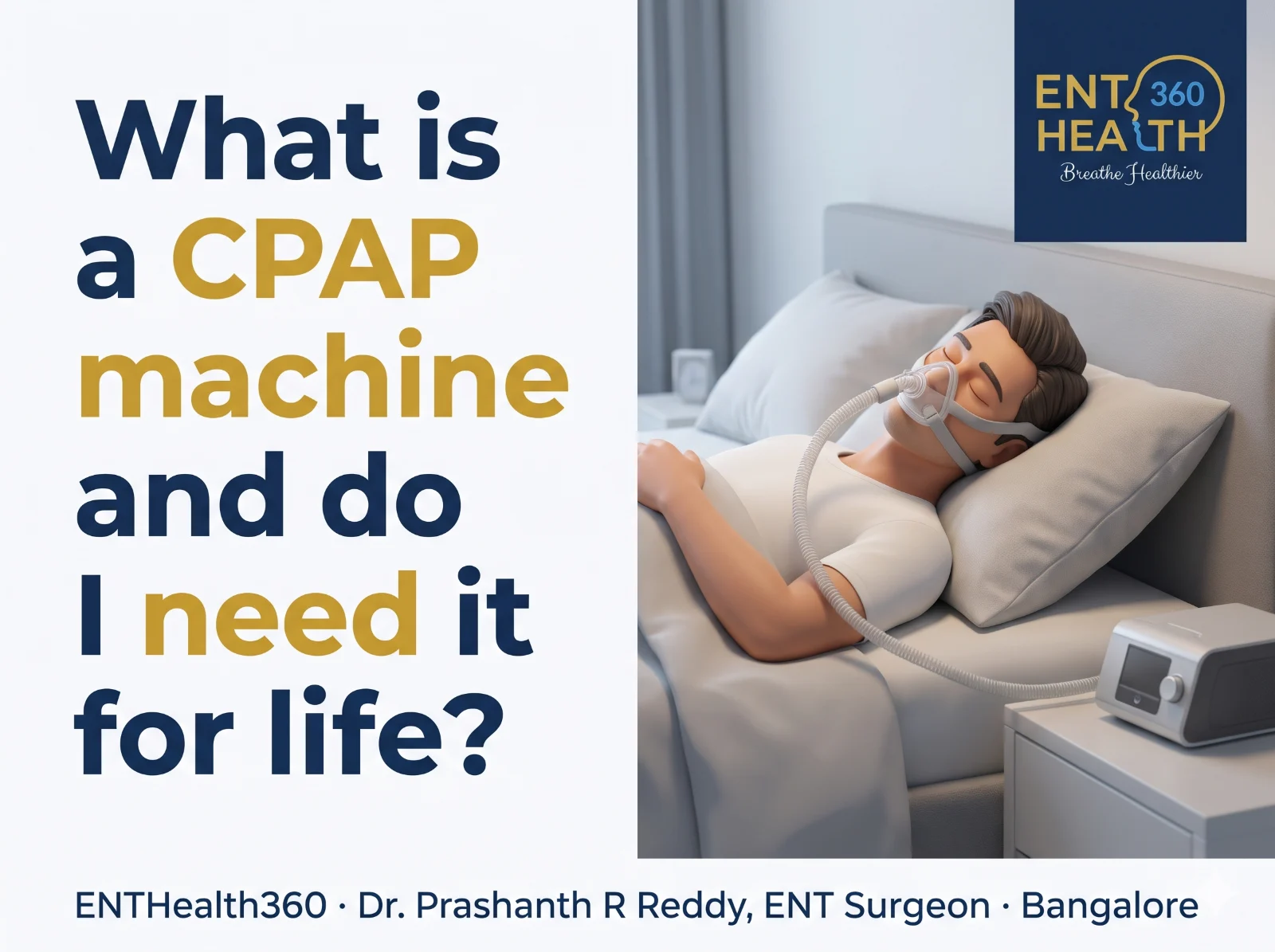
CPAP gently blows air through a mask to keep your airway open in sleep. It is the most effective treatment for moderate to severe sleep apnea.
Yes. Options include nasal surgery, palate procedures, tonsil removal or tongue-base procedures. There is no single "snoring operation".
Untreated sleep apnea is linked with high blood pressure, heart disease, stroke, type 2 diabetes, low mood, memory problems and accidents.
Yes. Enlarged tonsils, and sometimes adenoids that never shrank, can narrow the airway and cause snoring or sleep apnea in adults too.
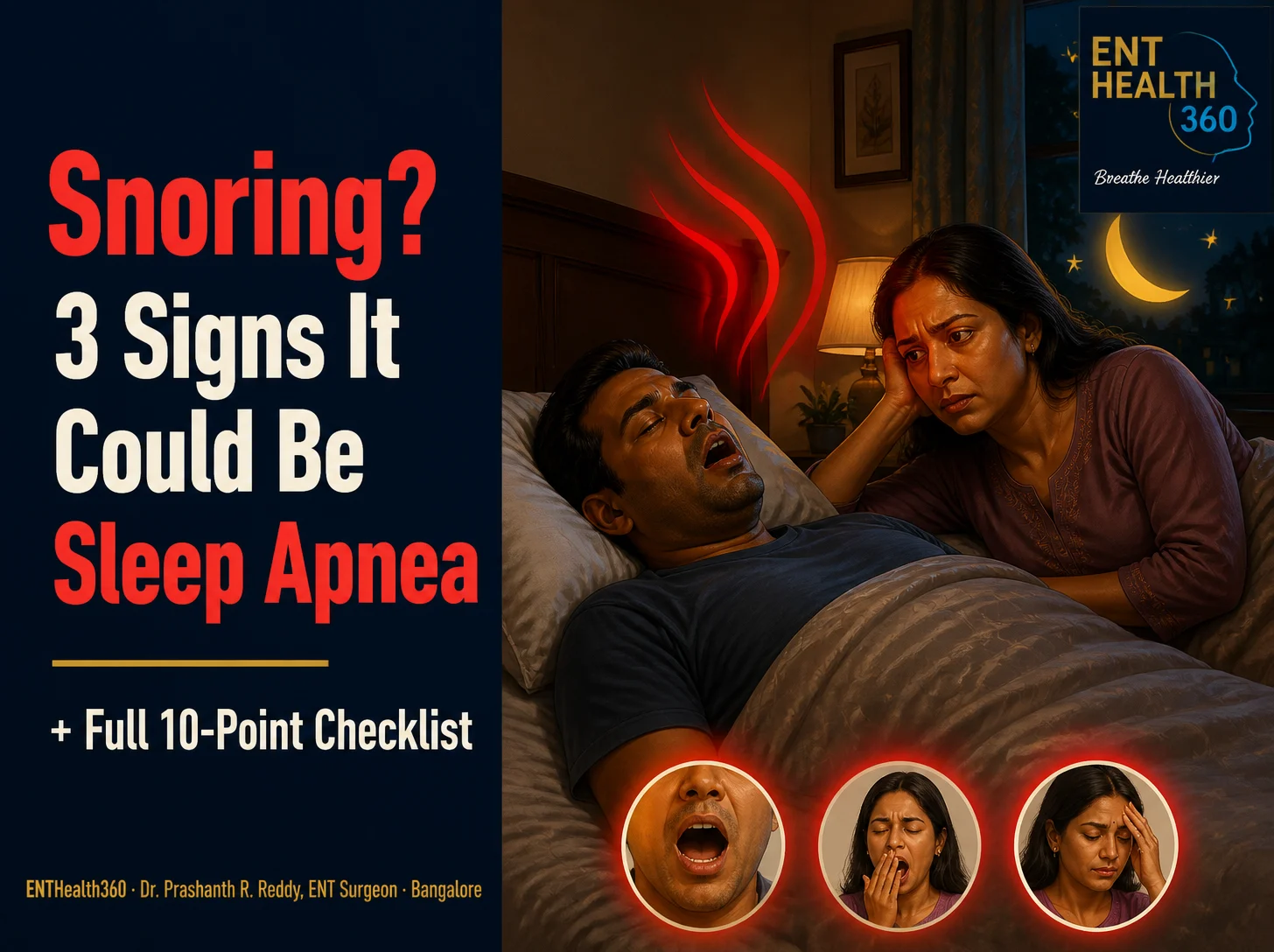
The 3 snoring signs that point to sleep apnea, plus a full 10-point checklist of warning signs and nose and throat checks, from an ENT surgeon.
In obstructive sleep apnea, the throat repeatedly narrows or closes in sleep, causing breathing pauses, oxygen drops and frequent brief awakenings.
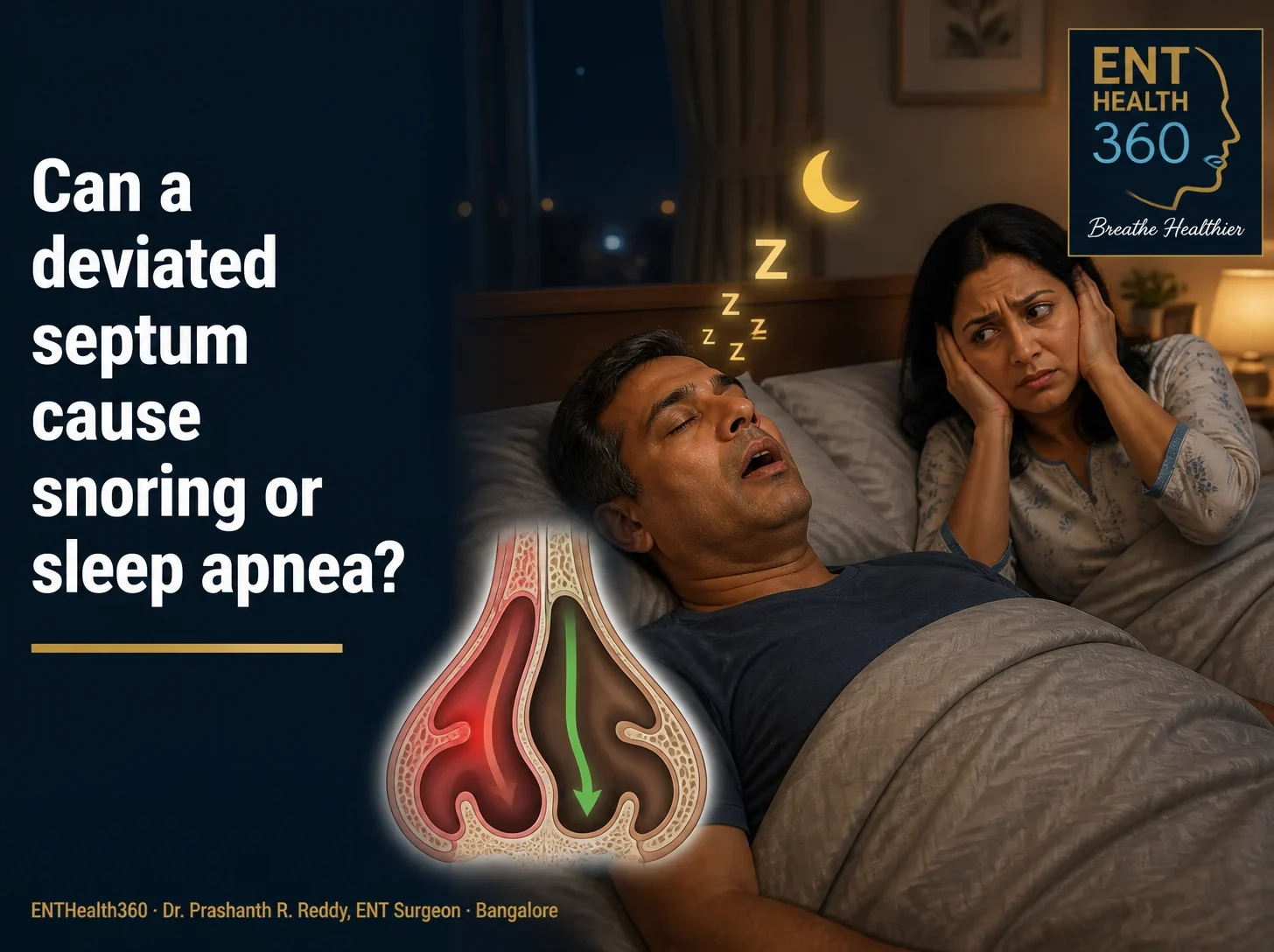
A deviated septum narrows the nasal airway and encourages mouth breathing, which can add to snoring and sleep apnoea. The palate and tongue base matter too.
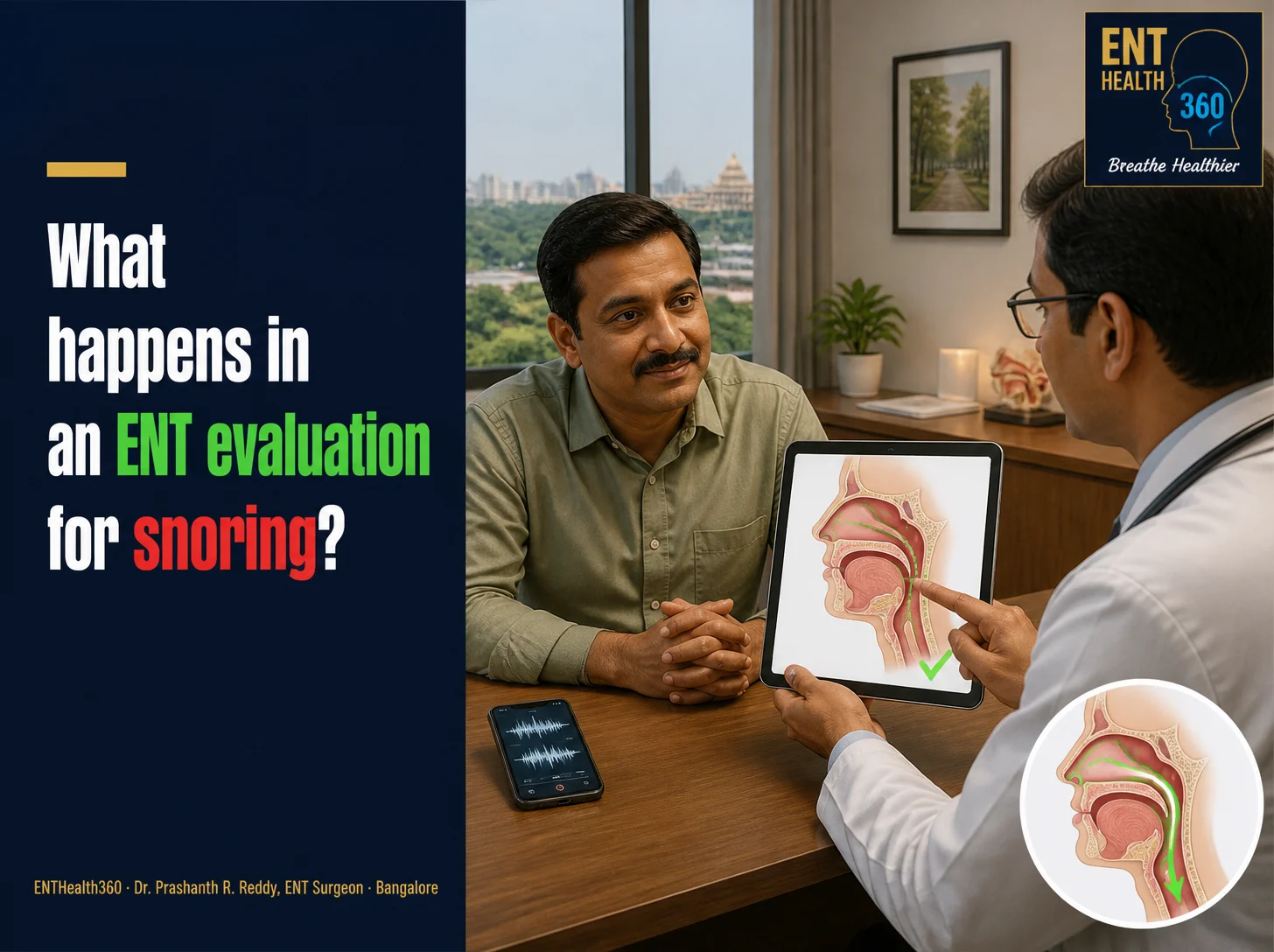
An ENT evaluation finds where and why your airway narrows in sleep: history, examination, nasal endoscopy and, when a blockage is suspected, a CT scan.
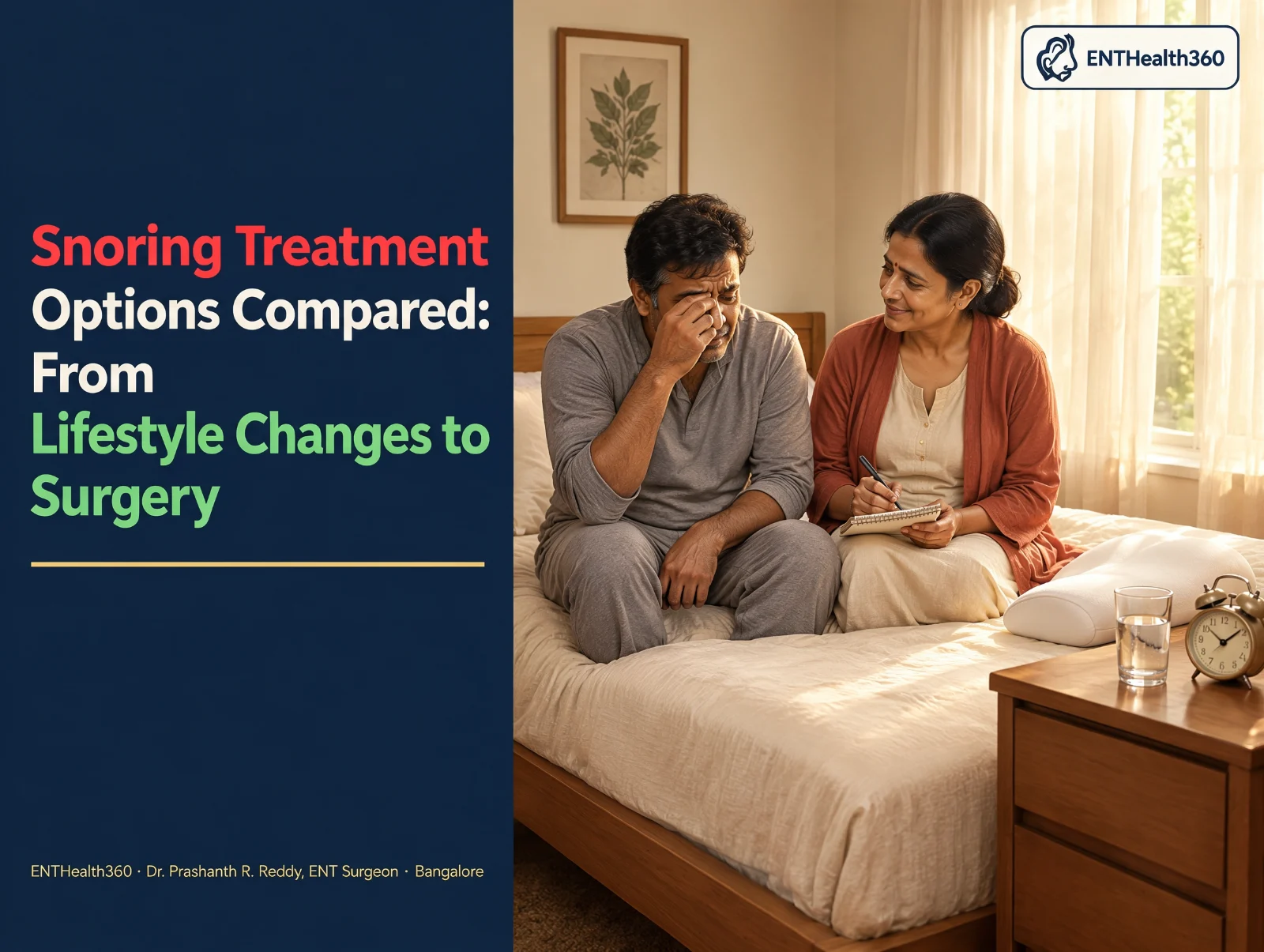
Snoring treatments side by side: lifestyle, side-sleeping, nasal care, mouth guards, CPAP and surgery. Who each suits and what the evidence says.
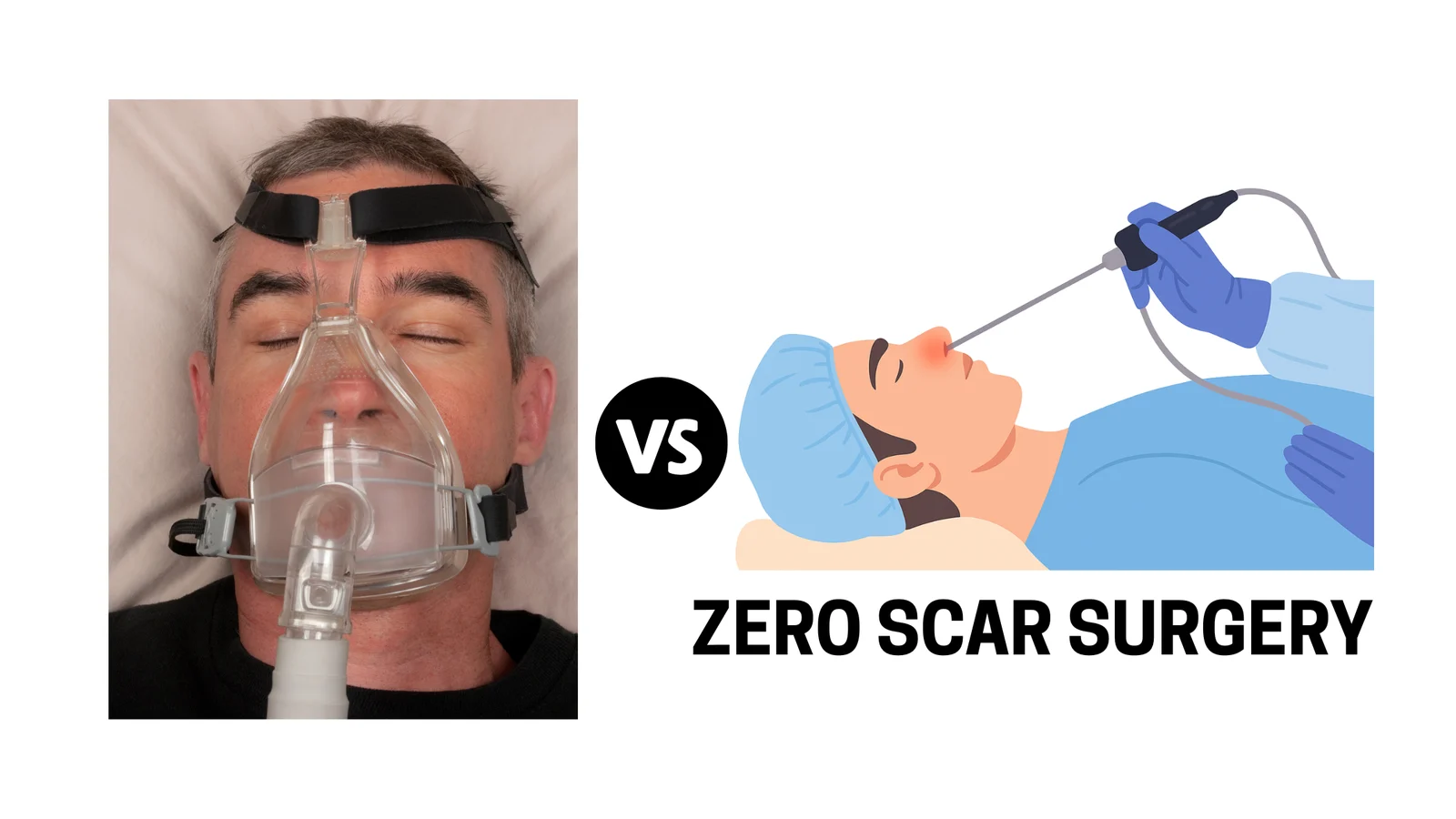
CPAP vs snoring surgery side by side: how each works, who it suits, recovery and costs, and why an ENT examination and CT come first.
Snoring surgery can reduce snoring and sleep apnea in well-selected patients, but results vary and snoring can return with weight gain, ageing or alcohol.
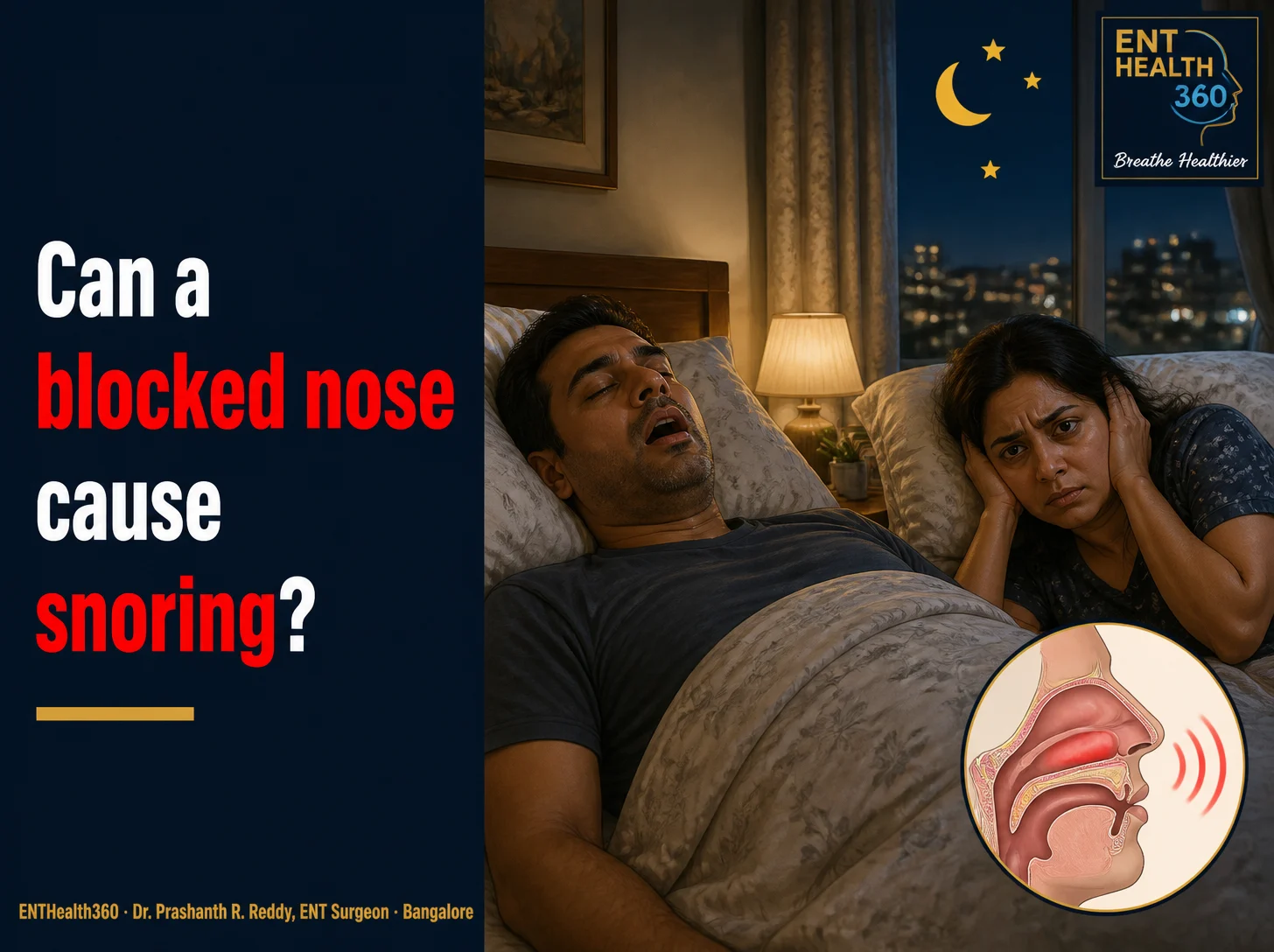
Yes. A blocked nose from allergy, a deviated septum or swollen turbinates pushes you to mouth-breathe, which can cause or worsen snoring.
Yes, especially in pregnancy and after menopause. Women's symptoms are often subtler: fatigue, insomnia, waking often, morning headaches or low mood.
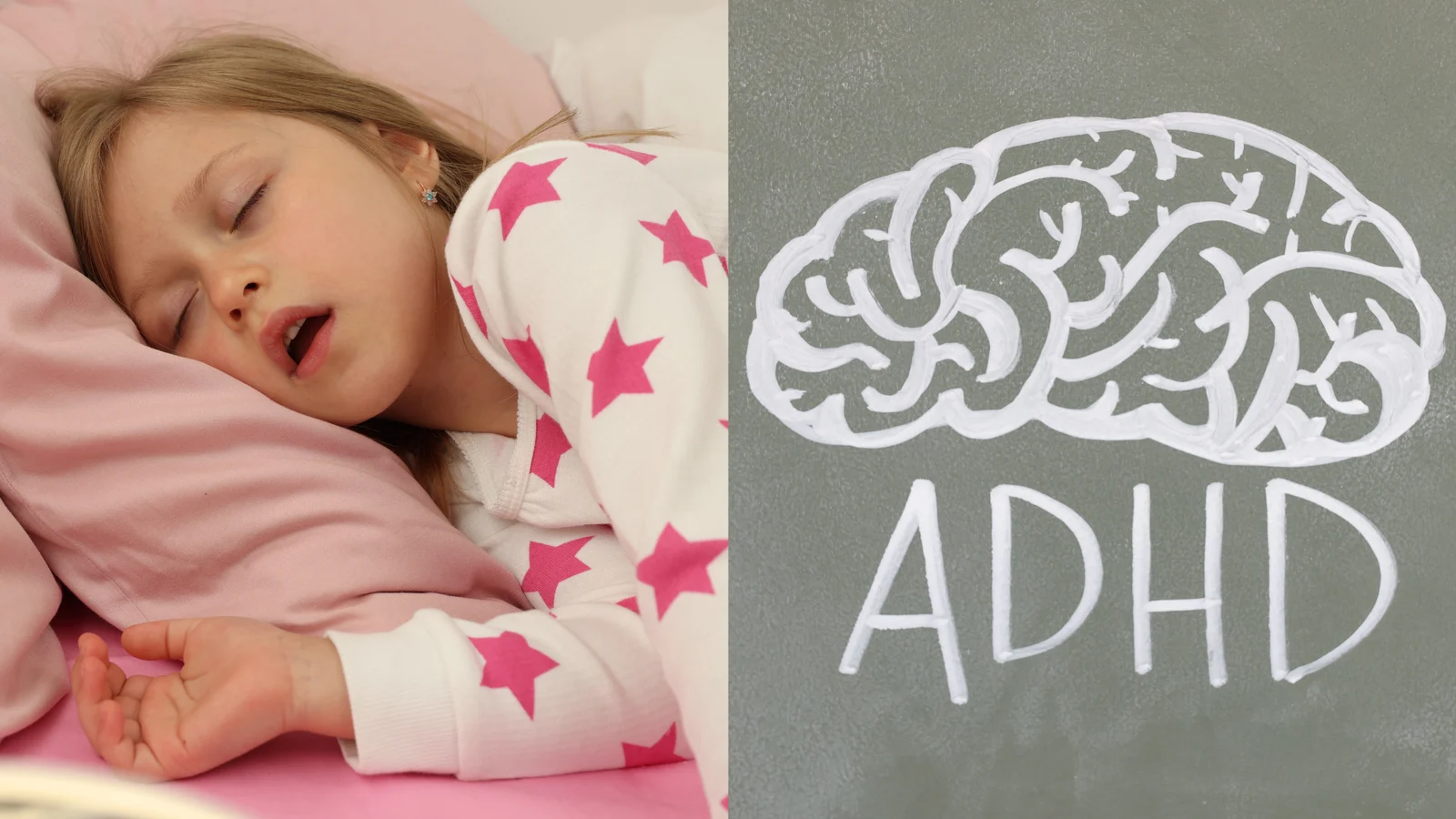
It can. Children who snore or mouth-breathe from enlarged adenoids, tonsils or allergy often sleep poorly, showing up as tiredness and poor focus in class.
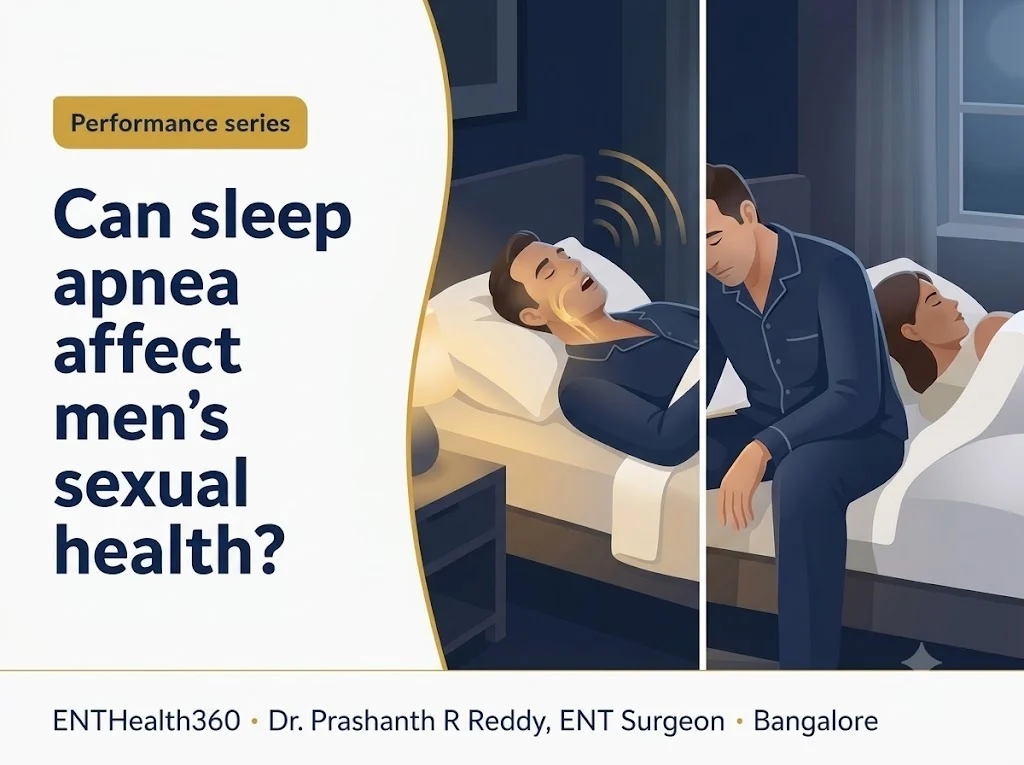
Research links obstructive sleep apnea with erectile difficulties and low desire in some men. Treating sleep apnea may help, alongside a urologist's care.
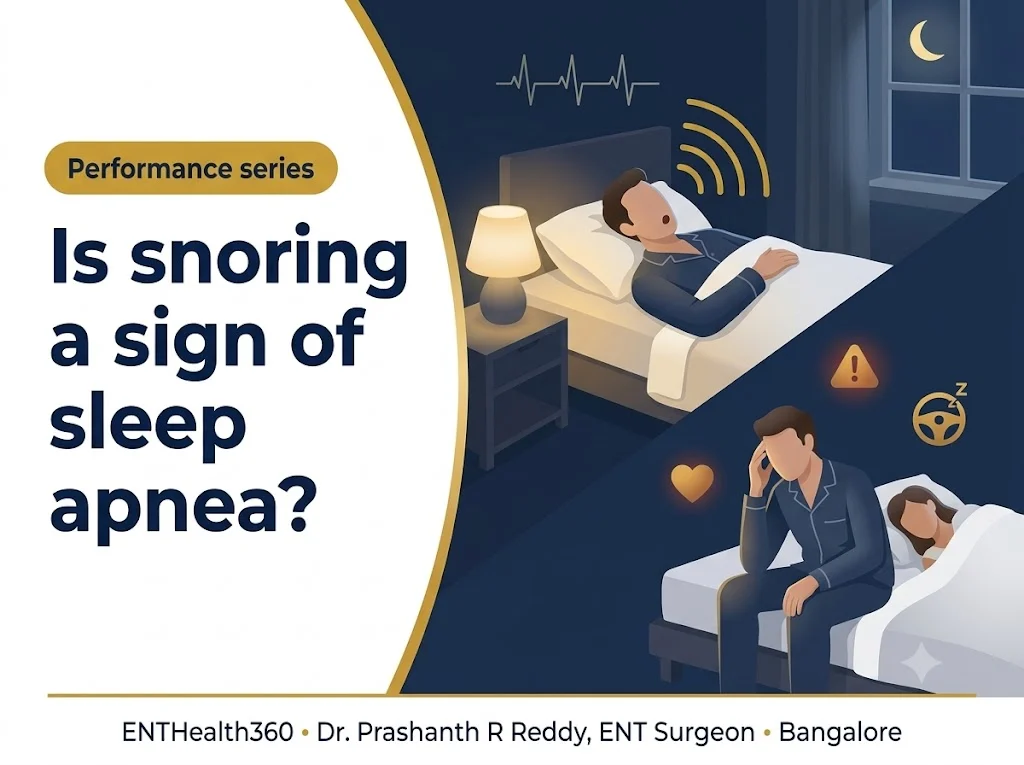
Loud, nightly snoring with pauses, gasping or daytime sleepiness can be a sign of sleep apnea. Not everyone who snores has it; an ENT evaluation comes first.
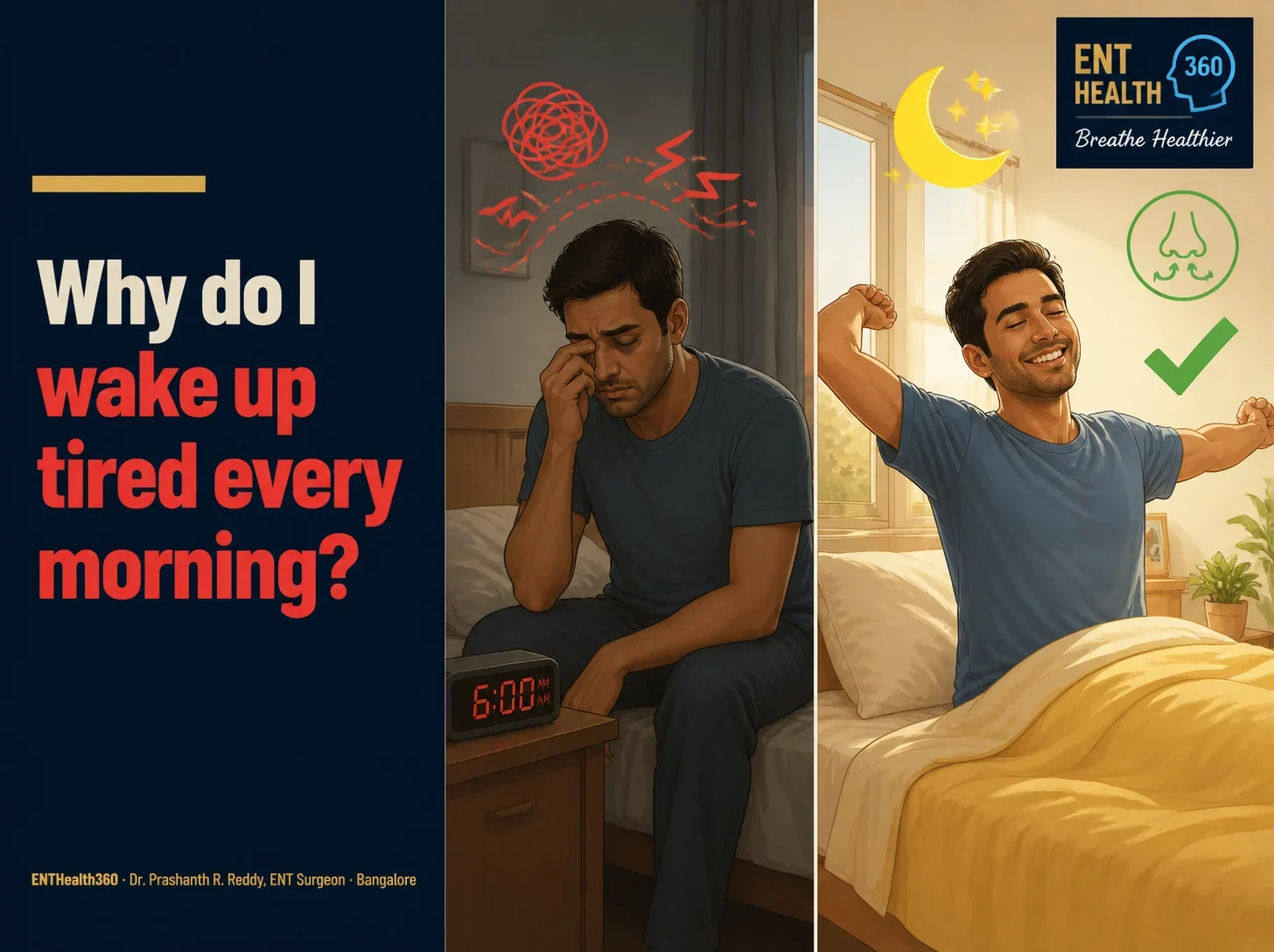
Tired after 8 hours in bed usually means poor sleep quality. Snoring, a blocked nose, sleep apnea, late screens, alcohol, thyroid or anaemia are common causes.
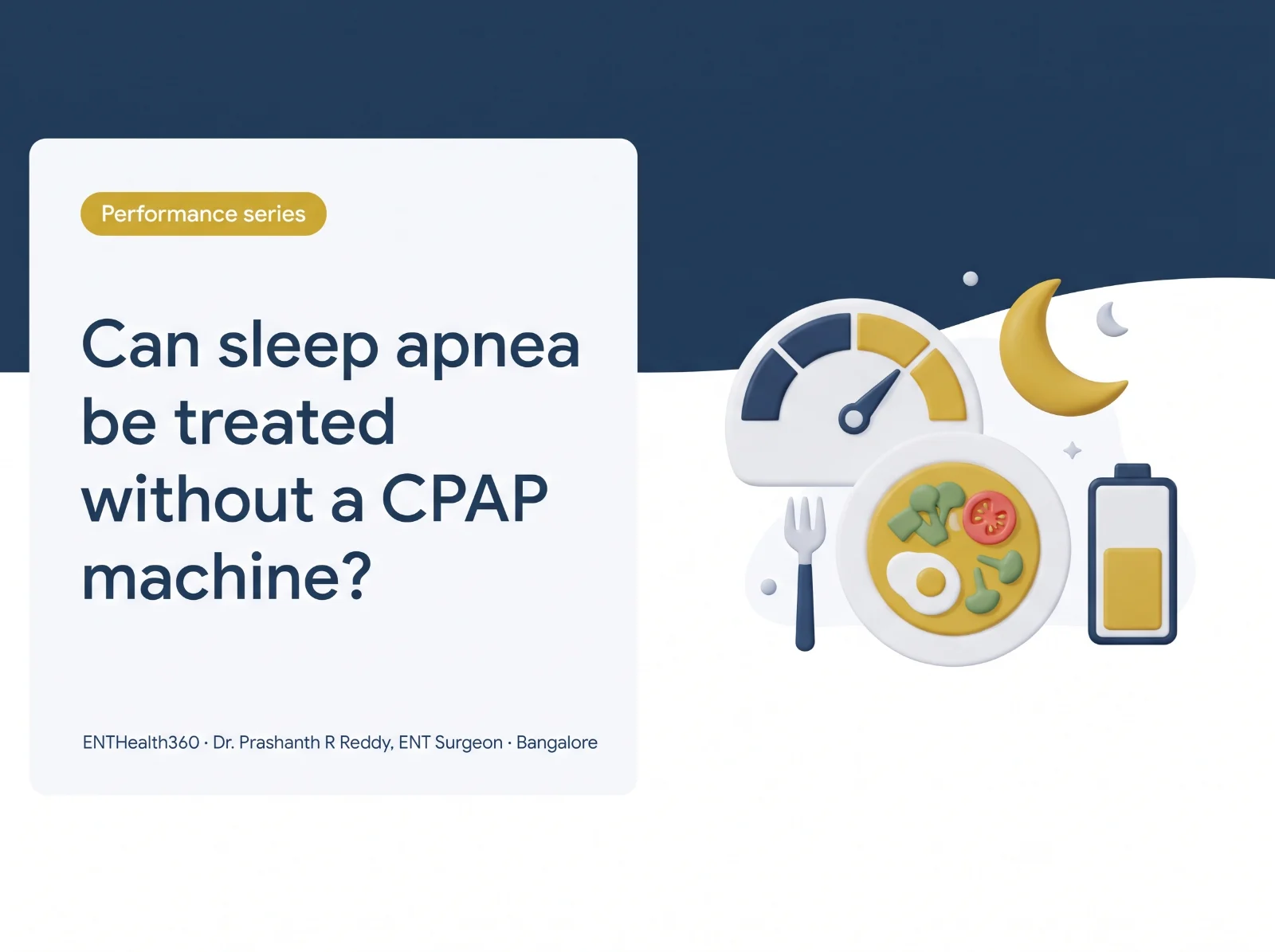
CPAP works well, but it is not the only option. Weight loss, side-sleeping, treating nasal blockage, an oral appliance or targeted surgery may help.
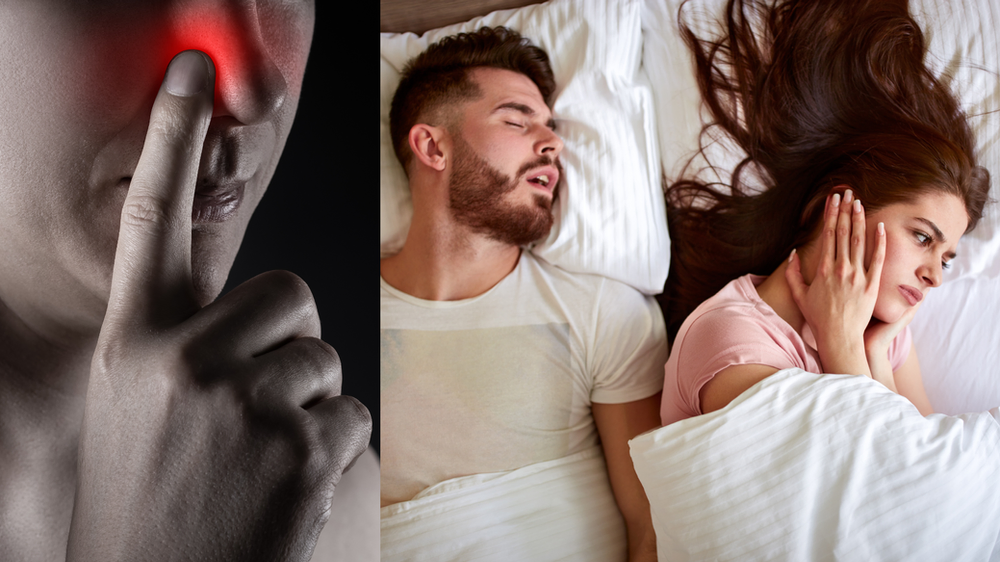
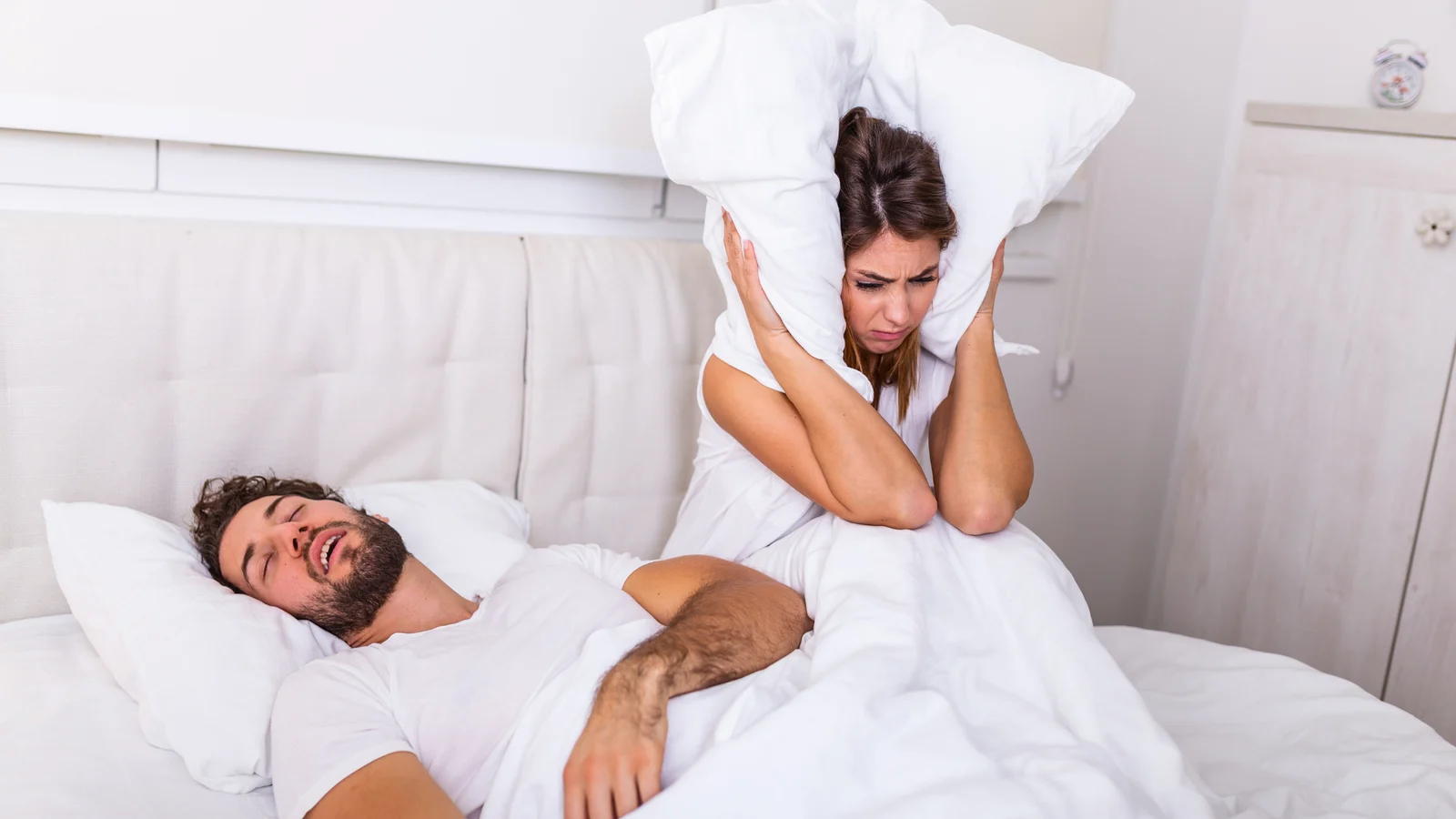
Loud snoring often sends couples to separate rooms and leaves both tired. It can also signal sleep apnea, which is worth checking for the snorer's health.
Waking tired with a dry mouth or headache can mean you breathe through your mouth at night. Common causes, from a blocked nose to sleep apnea.
How breathing, sleep, blood supply and nutrition connect with long-term brain health, and what the evidence does not establish about the nose and dementia.
Snoring can disrupt sleep and relationships and may signal sleep apnea. Often the nose is where the problem starts. An ENT explains what to check first.
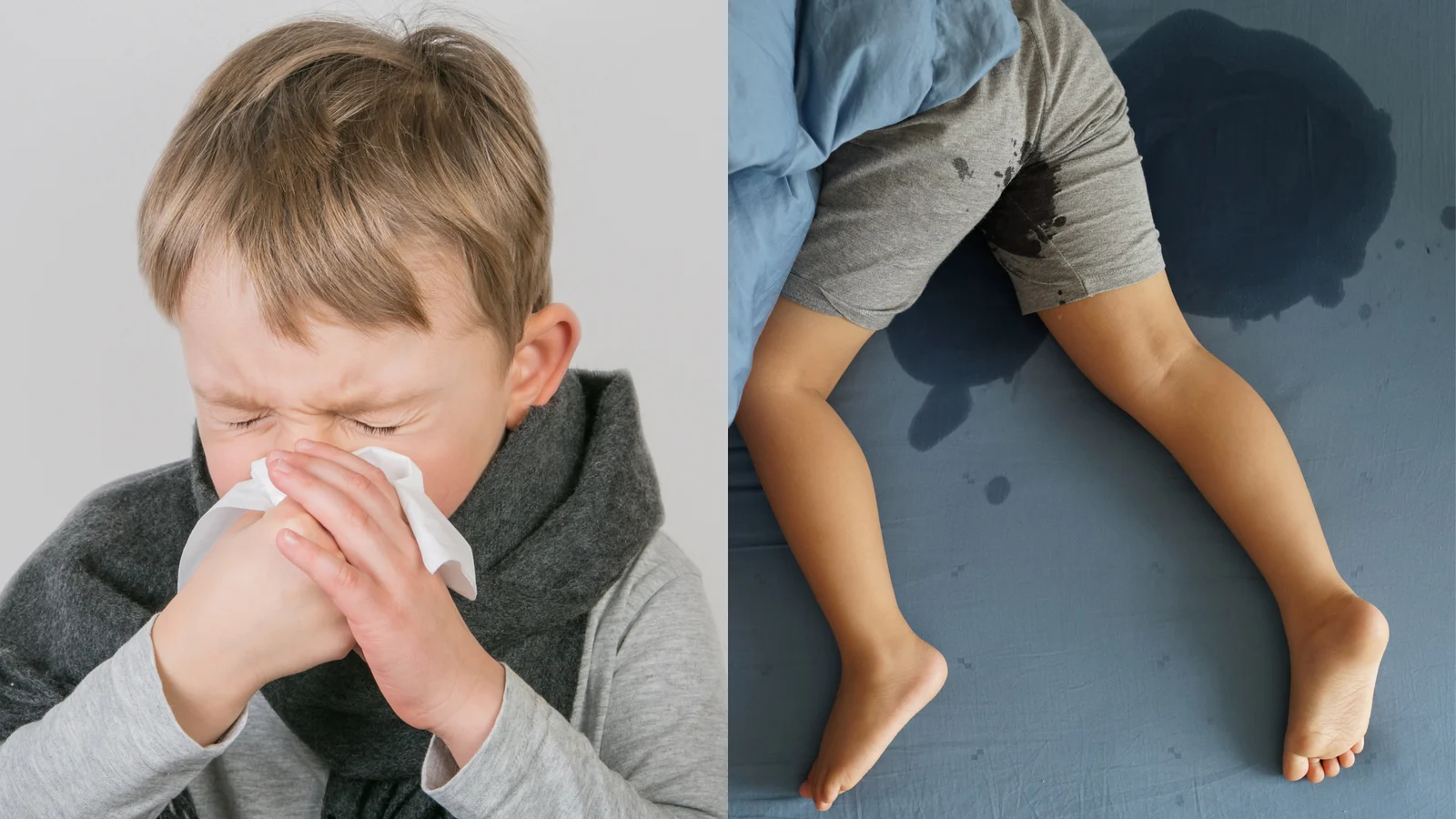
Does your child still wet the bed, even though they’ve outgrown diapers long ago? You’re not alone — and it’s not your fault (or your child’s).
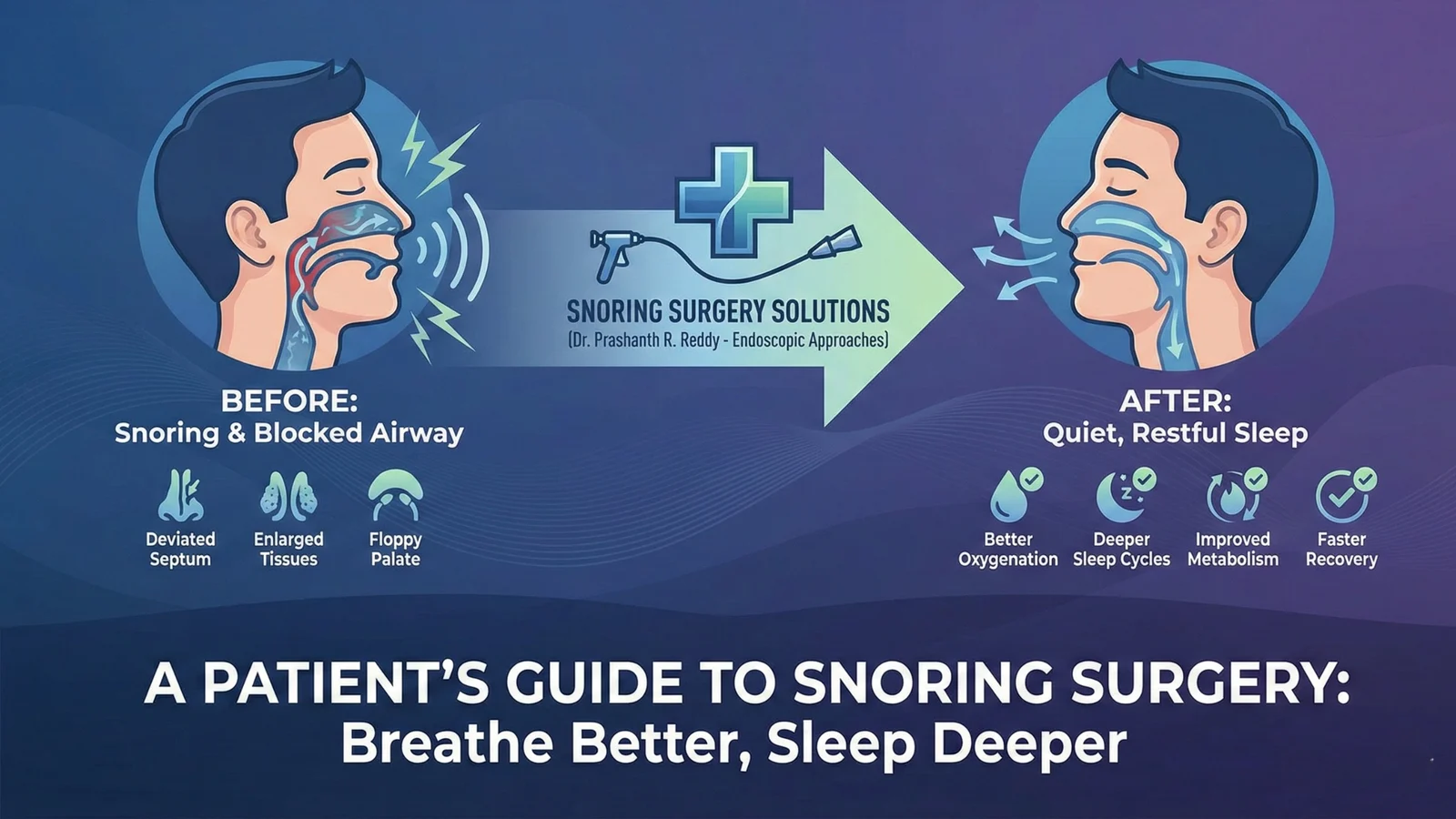
Answers to common questions about snoring surgery: who it suits, the procedures, recovery and results, for when lifestyle changes haven't worked.
Attention problems, restlessness or poor sleep in a child can sometimes be linked to a blocked nose from enlarged adenoids. Signs and when to see an ENT.
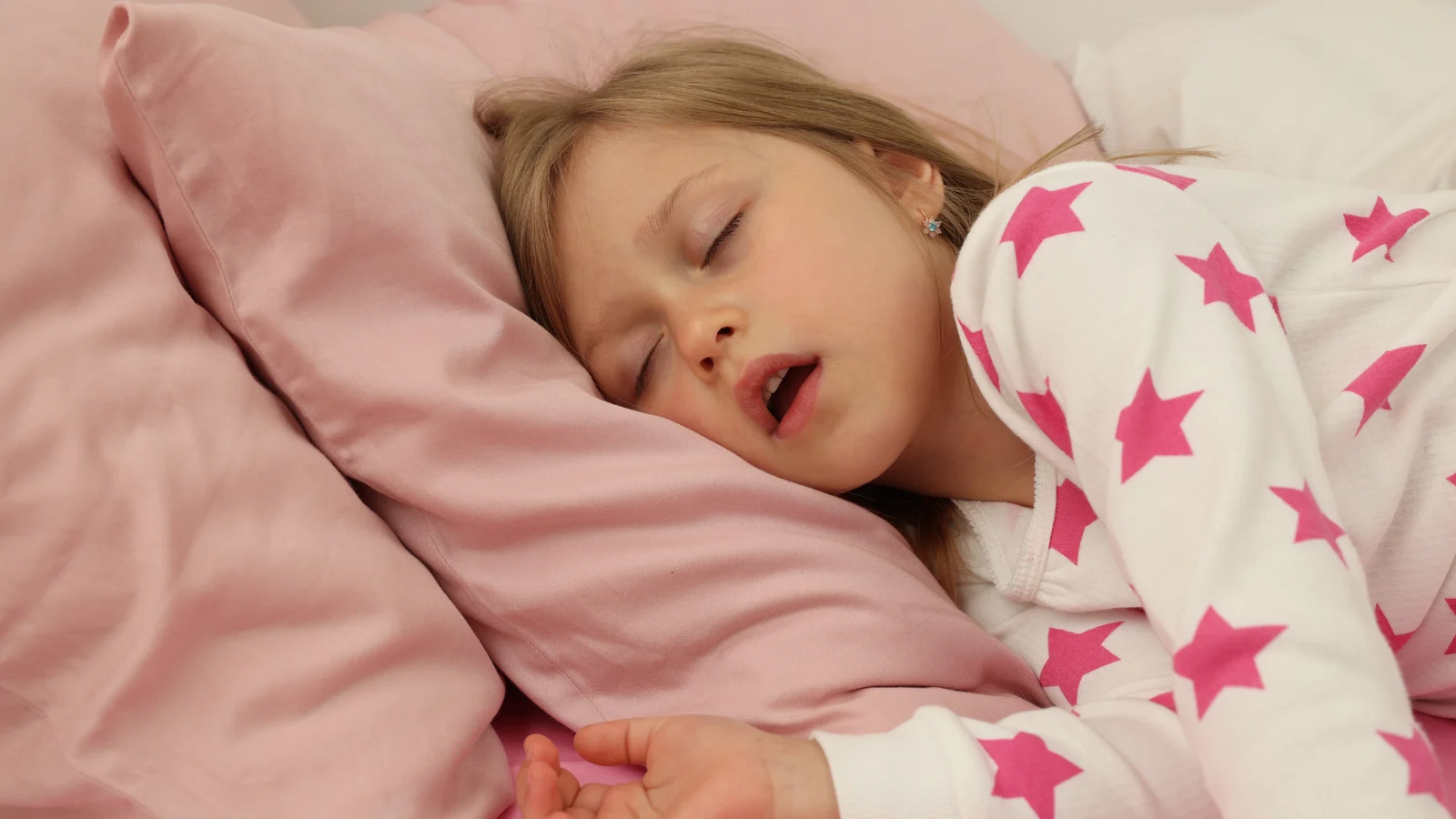
Frequent snoring in children is often a red flag, linked to enlarged tonsils or adenoids, poor sleep, behaviour and growth. When to see an ENT.
Regular snoring can be a sign of deeper problems such as sleep apnea, affecting energy, health and relationships. When to get an ENT evaluation.
Do you snore loudly, wake up tired, or find yourself dozing off during the day?